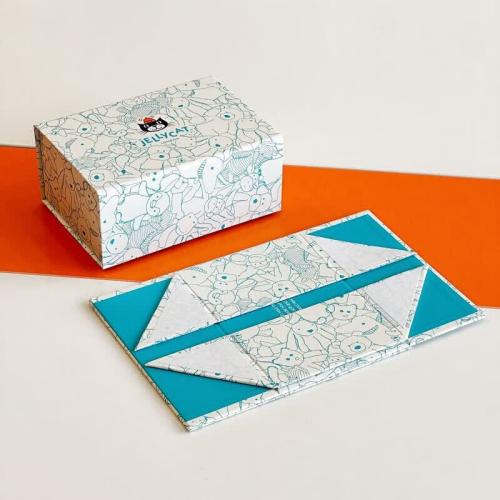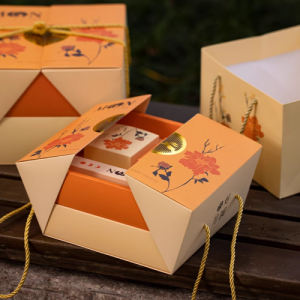
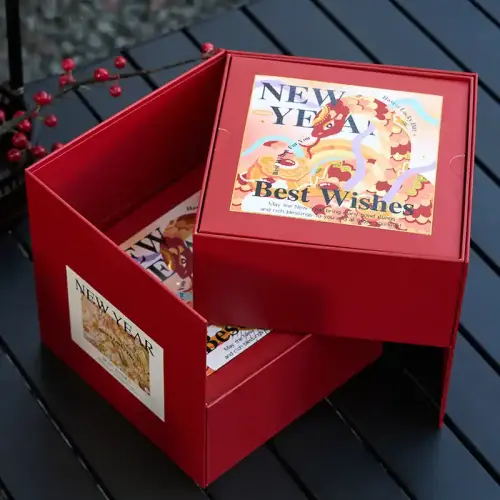
In the field of gift packaging, users often prioritize the appearance design while neglecting the structural rationality. In reality, the choice of cardboard material, layered structure, and surface treatment processes collectively determine the protective performance, display effect, and service life of the packaging box.
Working Principle and Core Structure Analysis
As the base material, the grammage and stiffness of the cardboard directly affect the stability of the formed shape. Customized layered structures need to balance protective requirements with ease of opening. For example, travel kits require multi-layer compartment designs to prevent collisions between items, while compact powder boxes must consider precise slotting for mirror installation. Surface treatments such as screen printing can achieve complex pattern reproduction, while hot stamping forms a metallic texture layer through high-temperature embossing. These two processes have different requirements for the smoothness and heat resistance of the paper.

How Technical Differences Impact Practical Applications
While fully customized structures offer strong adaptability, mold costs increase exponentially with the complexity of the design. The adhesion of screen printing ink may degrade in humid environments, and repeatedly bending hot-stamped areas can lead to cracking. Compact eyeshadow boxes with mirrors require consideration of wear on the hinge from frequent opening and closing, necessitating the use of tear-resistant composite materials in the inner cardboard layer.
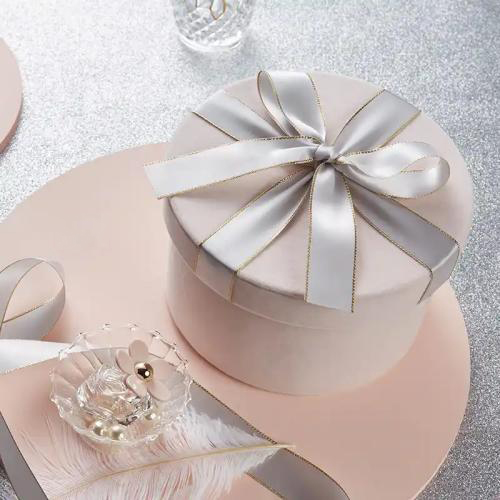
Application Scenarios and Understanding Framework
When evaluating, attention should be paid to:
1) The internal compartment design determined by the form of the contents.
2) The hinge durability design corresponding to usage frequency.
3) The edge reinforcement process required by the transportation environment.
4) The combination of surface treatment options that match display needs.
For example, cross-border transportation requires enhanced edge compression resistance, while display items for boutique counters can focus on the visual appeal of hot stamping.
Application Scenarios and Understanding Framework
When evaluating, attention should be paid to:
1) The internal compartment design determined by the form of the contents.
2) The hinge durability design corresponding to usage frequency.
3) The edge reinforcement process required by the transportation environment.
4) The combination of surface treatment options that match display needs.
For example, cross-border transportation requires enhanced edge compression resistance, while display items for boutique counters can focus on the visual appeal of hot stamping.