
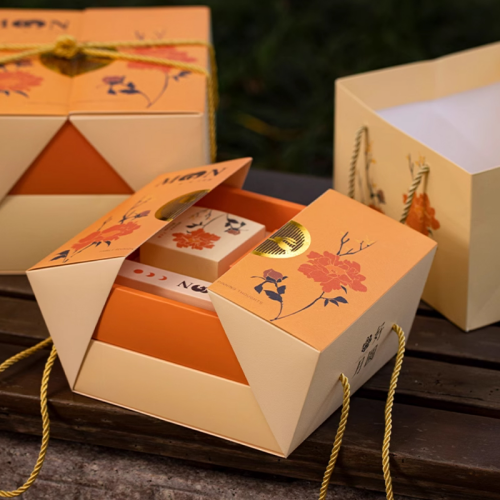
The multi-layer structure design of gift packaging boxes is primarily aimed at meeting three key requirements: protection, display, and a sense of ceremony. In the packaging industry, this “inner-middle-outer” three-tier architecture has become the standard solution for high-end gift packaging, achieving comprehensive functions such as shockproofing, moisture resistance, and aesthetics through the combination of different materials.
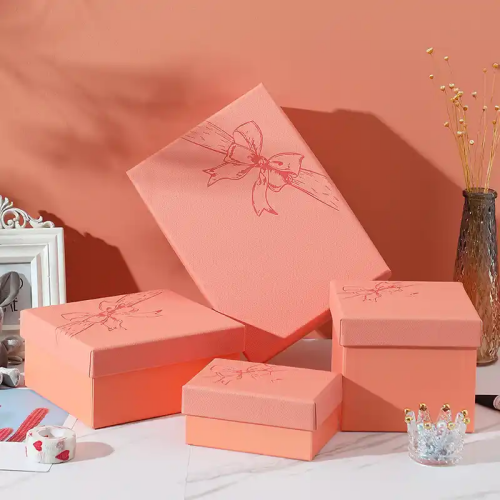
From a materials science perspective, the inner layer uses flexible materials like velvet or EVA to cushion impacts and protect the item’s surface. The middle layer consists of rigid cardboard that provides structural support, with coated paper offering both printability and stiffness. The outer layer, made of corrugated cardboard, serves the function of transport protection. This combination leverages the unique properties of each material: the elastic modulus of EVA is suitable for shock absorption, the smoothness of coated paper facilitates fine printing, and the vertical compression strength of corrugated structures resists stacking pressure. The choice of printing techniques is also based on functional needs—hot stamping enhances visual luxury, screen printing achieves localized three-dimensional effects, while digital printing accommodates small-batch customization.
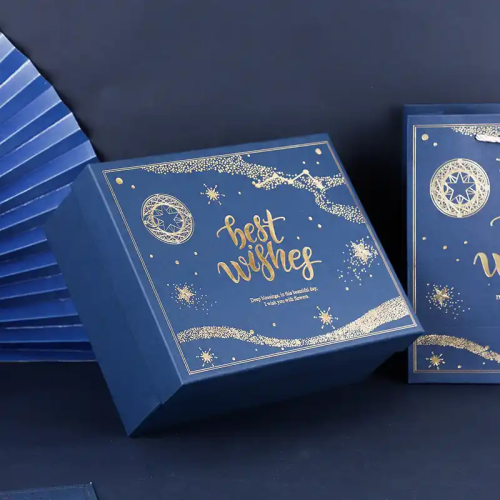
The industry views packaging layers as carriers of value transmission. The three-tier structure actually corresponds to three touchpoints: the sense of ceremony during unboxing (inner packaging), the visual impact during display (middle layer), and safety during logistics (outer layer). Different product categories have varying priorities: food packaging emphasizes sealing and moisture resistance, electronics focus on anti-static treatment, while wedding supplies prioritize the dramatic nature of the opening experience. The popularity of the “heaven-and-earth lid” structure lies in how the act of opening itself reinforces the ceremonial aspect of gifting.
In practical applications, this modular design allows for adjustments in material combinations based on cost budgets. Business gifts may opt for silk linings with hot stamping, while mass-market products might use foam inserts with offset printing. Notably, precision processing capabilities with an error control of ±0.01mm ensure the tight fit of the multi-layer structure, which is a critical technical indicator for preventing content displacement during transport.

In practical applications, this modular design allows for adjustments in material combinations based on cost budgets. Business gifts may opt for silk linings with hot stamping, while mass-market products might use foam inserts with offset printing. Notably, precision processing capabilities with an error control of ±0.01mm ensure the tight fit of the multi-layer structure, which is a critical technical indicator for preventing content displacement during transport.