TL;DR:
Food-grade folding carton packaging achieves waterproof and greaseproof (oil-resistant) capabilities primarily through strategic paperboard substrate selection, barrier coating technologies (such as eco-friendly water-based dispersions or traditional PE/PLA laminations), and leak-proof structural engineering (edge sealing and glue-free locking). Modern B2B packaging solutions focus on replacing fluorinated chemicals (PFAS) with recyclable, high-Kit-value barrier coatings to meet global sustainability regulations without compromising performance.
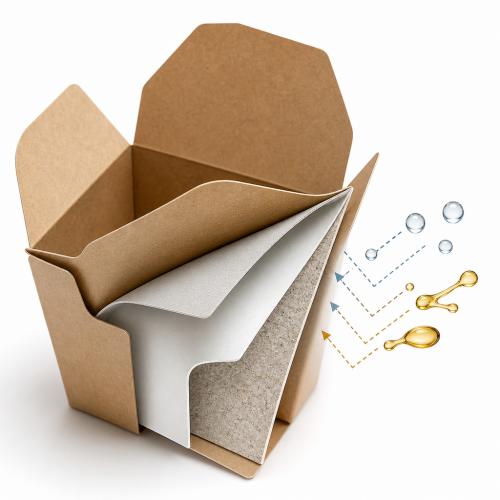
1. Core Mechanisms of Water and Grease Resistance in Paperboard Packaging
Paperboard is naturally composed of hydrophilic cellulose fibers that readily absorb moisture and oils. Achieving high-performance barrier characteristics in folding cartons relies on three fundamental technical principles:
- Surface Energy Reduction: Applying barrier coatings lowers the surface tension of the paperboard, preventing polar liquids (water) and non-polar liquids (fats and oils) from wetting or penetrating the cellulose fibers.
- Continuous Physical Barrier: Depositing a pinhole-free, uniform layer over the porous paper surface to block liquid migration.
- Structural Edge & Crease Protection: Designing specialized lock mechanisms and leak-proof corners to prevent capillary action (edge wicking) where raw paper fibers are exposed at cut edges and score lines.
2. Comparison of Barrier Substrates & Coating Technologies
Choosing the optimal packaging material requires balancing Kit Value (grease resistance), temperature tolerance, and end-of-life recyclability:
| Material / Coating Type | Grease Resistance (Kit Test) | Temperature Range (°C) | Recyclability & Sustainability | Best Applications |
|---|---|---|---|---|
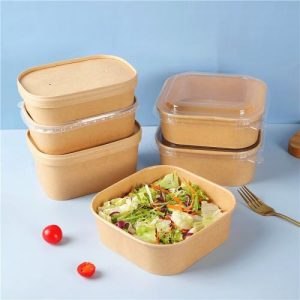
| Water-Based Barrier Coating (WBBC) | Kit 6 – 12 | -20°C to 120°C | 100% Repulpable & Recyclable | Sustainable takeaway boxes, salad containers, burgers |
| PE Lamination (Polyethylene) | Kit 12 | -20°C to 90°C | Low (Requires specialized plastic separation) | Soup containers, fried chicken buckets, soda cups |
| PLA Bio-plastic Coating | Kit 10 – 12 | -10°C to 80°C | Composting certified (Industrial facility required) | Eco-friendly export food packaging |
| Greaseproof Paperboard (Kit Board) | Kit 5 – 9 | 0°C to 100°C | 100% Directly Recyclable | Bakery boxes, fries cartons, dry food containers |
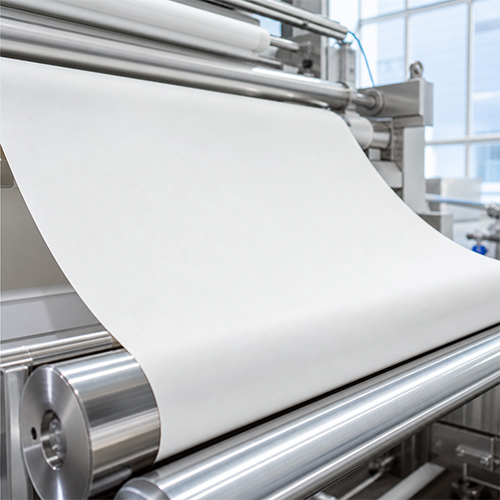
3. Essential Manufacturing Processes & Structural Design
3.1 Water-Based Dispersion Coating (PFAS-Free Solution)
Water-based barrier dispersions (acrylic or polyurethane-based aqueous coatings) are applied via roll coating or flexographic units. Once dried, they form a dense, flexible shield.
- Key Benefit: Eliminates PFAS (per- and polyfluoroalkyl substances) while offering microwaveable heat resistance and direct repulpability in standard recycling streams.
3.2 Crease Protection & Anti-Wicking Edge Sealing
- The Challenge: High-speed die-cutting leaves raw paperboard fibers exposed along cut edges, while sharp folds can crack brittle coatings.
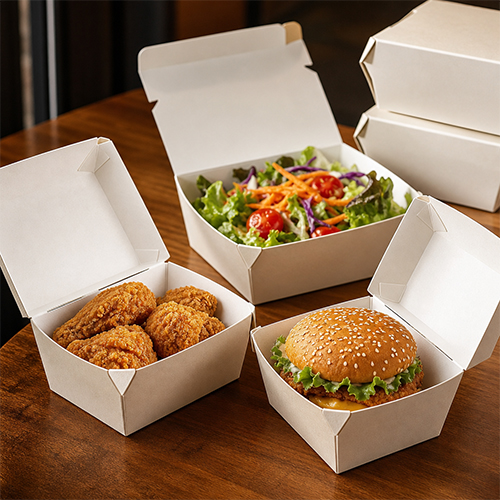
- Engineering Solution: Incorporate leak-proof webbed corners (fold-out gussets) and high-elongation barrier coatings that stretch along score lines without micro-cracking.
3.3 Glueless Mechanical Lock Designs
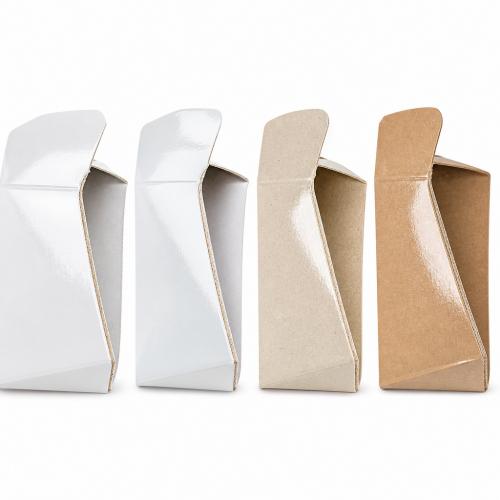
- High-fat foods can dissolve standard adhesives. Modern folding cartons use self-locking tabs (webbed corners/tuck-ins) or food-grade hot-melt adhesives engineered to withstand hot oil without delamination.
4. Frequently Asked Questions (FAQ)
Q1: What is the Kit Value in paperboard packaging?
A: The Kit Test (ASTM F119 / TAPPI T 559) measures the grease resistance of paper and paperboard on a scale from Kit 1 (lowest) to Kit 12 (highest). Fast food and greasy takeaway packaging typically require a rating of Kit 8 to Kit 12 to prevent oil penetration.
Q2: Can water-based barrier coatings fully replace traditional PE lining?
A: Yes. Modern water-based dispersion coatings match PE lining in both water and oil resistance while surviving microwave heating. Crucially, they fulfill strict EU and FDA food contact regulations and eliminate plastic separation issues during recycling.
Q3: How do folding cartons prevent oil leakage at the corner creases?
A: Leakage at creases is prevented by optimizing the paperboard moisture content prior to scoring, applying flexible coatings with high elongation capacity, and using continuous fold-in corner designs that eliminate bottom cut lines.