Why Folding Mailer Boxes Can Balance Shipping Protection and Gift Presentation: An Analysis of Structural Design and Customization Logic
In the field of e-commerce packaging, the protective performance and cost control of folding boxes are actually determined by materials and processes. Kraft paper is tough and resistant to bursting, while white cardstock delivers vivid colors—only by matching the material to the scenario can you balance protection and brand quality. Choosing the right structural parameters is the core logic of cost-effective packaging.
In both e-commerce and gift packaging, folding boxes are widely used for shipping and end-display of products such as phone cases, apparel, and gifts thanks to their unique foldable structure and customizable appearance. When choosing a box, many users first focus on color, thickness, or whether a LOGO can be printed. But behind these surface features, what really affects protection, cost, and brand presentation are material selection, structural craftsmanship, and customization production logic. Understanding these technical details helps you judge more accurately whether a folding box fits a specific use case.
Working Principle and Core Structure
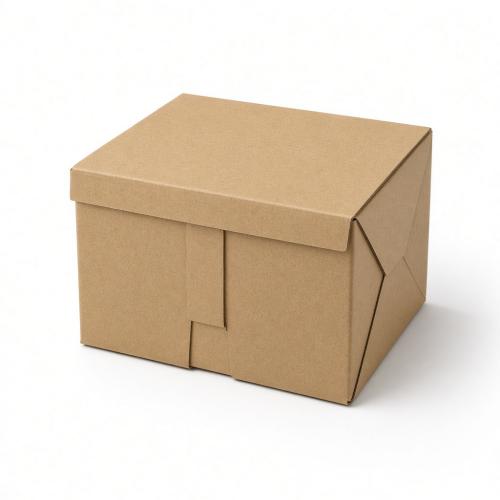
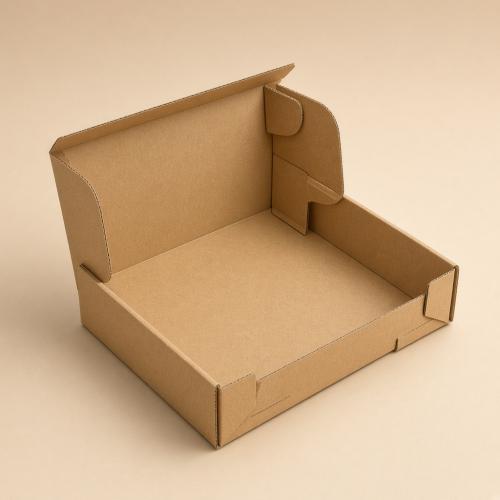
The core structure of a folding box is based on a single sheet of board that is folded into shape through pre-creased lines and die-cutting—no glue or staples required. It gets its name because the flattened blank resembles an airplane. The advantages of this design are:
1. Folding creates double- or multi-layer side walls, giving extra strength at key stress points (such as edges and corners) and improving compression and impact resistance.
2. The flat-blank process means the board stays flat before folding, easing storage and shipping and lowering logistics cost.
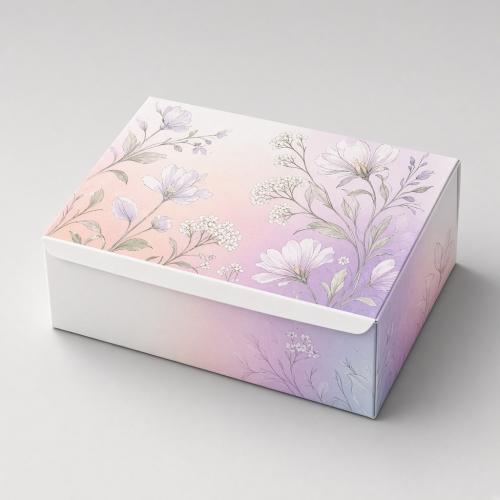
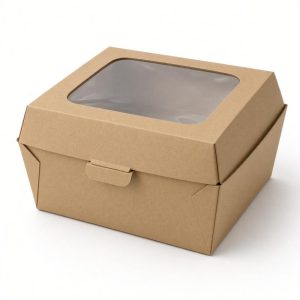
3. In materials, kraft paper and white cardstock are two typical routes: kraft paper has high long-fiber content, better burst strength and tear resistance, and suits heavy items or long-distance shipping; white cardstock has a smooth, high-brightness surface with excellent print color reproduction, better for gift scenarios needing fine printing. Customizable thickness directly affects overall rigidity: thicker board withstands higher stacking pressure, but folding difficulty and cost also rise. In addition, daily output of 100,000 pieces shows the process is standardized and scaled, supporting fast delivery of large orders.
How Technical Differences Affect Real Applications
Different material and customization parameters significantly affect real-world performance. Kraft paper is strong but rough-surfaced and prints darker, fitting brands with natural, eco, or industrial styling. White cardstock shows bright colors and fine graphics, but weaker water resistance—it softens in humid environments. On thickness: too thin bends or deforms under stacking or transit and damages contents; too thick raises folding difficulty, hurts packing efficiency, and increases material cost. The flat-blank process simplifies production, but versus rigid boxes (like telescopic/neck-and-lid boxes, flip-top boxes) it is less impressive in display—it prioritizes function and shipping efficiency over unboxing ritual. Also, this product is made to order (not stock), meaning you must provide clear artwork and size specs; lead time and MOQ should be confirmed with the supplier in advance. Outer packing is carton + plastic film, so moisture and scratch protection still matter in transit, especially for bulk orders.
Application Scenarios and Evaluation Framework
To judge whether a folding box fits a scenario, use this framework:
1. Material vs. contents: heavy or fragile items → kraft paper or thickened board; light items with display focus → white cardstock.
2. Environment: high humidity in transit/storage → check moisture resistance; ask for lamination or coating if needed.
3. Customization depth: LOGO printing and custom graphics let brands control appearance, but note print process (offset, digital) affects MOQ and cost.
4. Volume and timing: 100k/day shows mass production capacity, but made-to-order means you must reserve lead time; not ideal for urgent replenishment.
By focusing on these core parameters and process logics, users can evaluate suitability more rationally—not by looks or price alone.