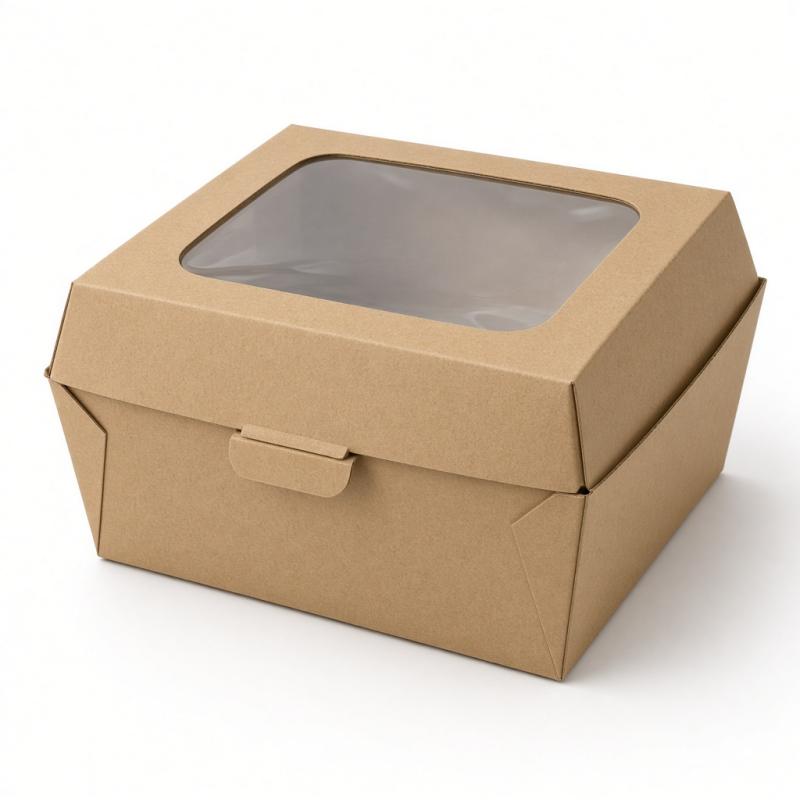
Why Customization Capability of Fast-Food Takeout Boxes Affects User Experience More Than Material
Don’t focus only on easy opening—what truly allows a takeout box to deliver stable value is the overall customization capability behind it, from material to structure. Paying attention to customizable shape, capacity, and printing processes ensures the packaging precisely fits your dishes and brand, thereby improving operational efficiency.

In the field of food packaging for fast food, delivery, sushi, etc., the “easy opening” and “portability” of takeout boxes are often the most intuitive concerns for users. However, what truly determines whether a takeout box can be used reliably across different dining scenarios is not a single convenience feature, but the overall customization capability behind it—from material selection to structural design. Many practitioners fall into the trap of looking only at size or color when purchasing, overlooking the impact of customizable parameters such as shape, capacity, graphics, and even logo printing on actual operational efficiency.
Working Principle and Core Structure Analysis
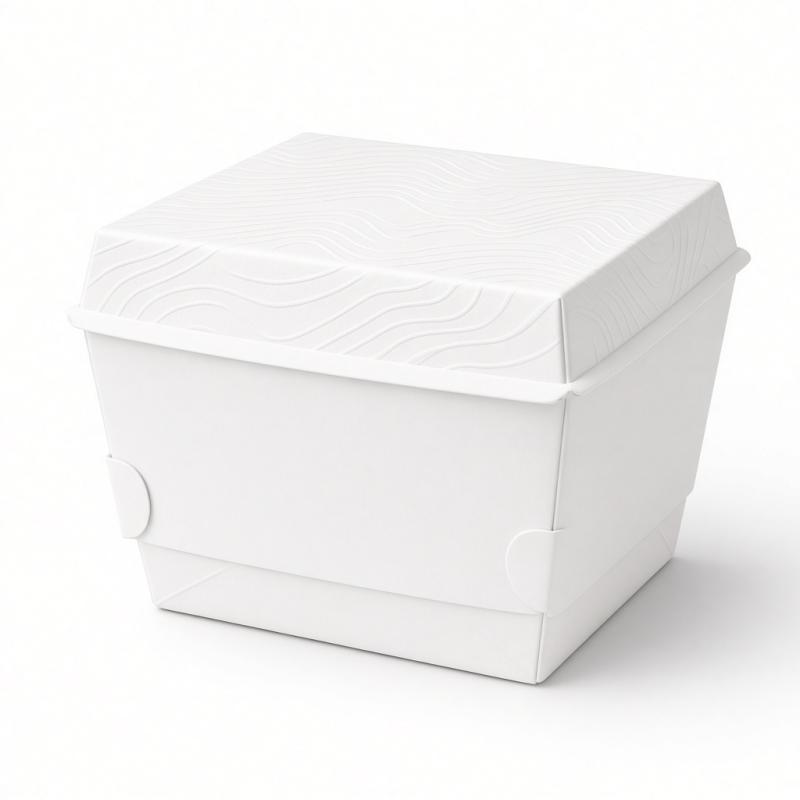
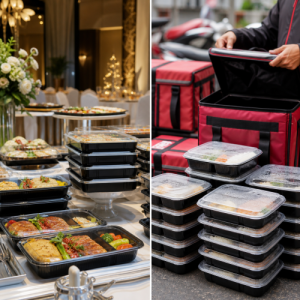
The core function of a fast-food takeout box is to hold, protect, and facilitate transportation, and its design logic revolves around “fit.” Structurally, a typical takeout box consists of a body and a lid. The buckle structure on the lid edge determines the degree of “easy opening.” A reasonable buckle depth and elastic design can ensure sealing while reducing opening force. In terms of material, although the product information does not specify a particular plastic type, common industry choices like PP (polypropylene) or PET (polyethylene terephthalate) each have their characteristics: PP has better heat resistance and is suitable for microwave heating; PET has high transparency and is suitable for displaying contents. Parameters such as “customizable color,” “customizable capacity,” and “customizable shape” mean the supplier can adjust molds or production processes to accommodate the form and portion needs of different dishes—for example, sushi boxes usually require divider slot designs, while snack boxes focus more on depth and oil resistance.
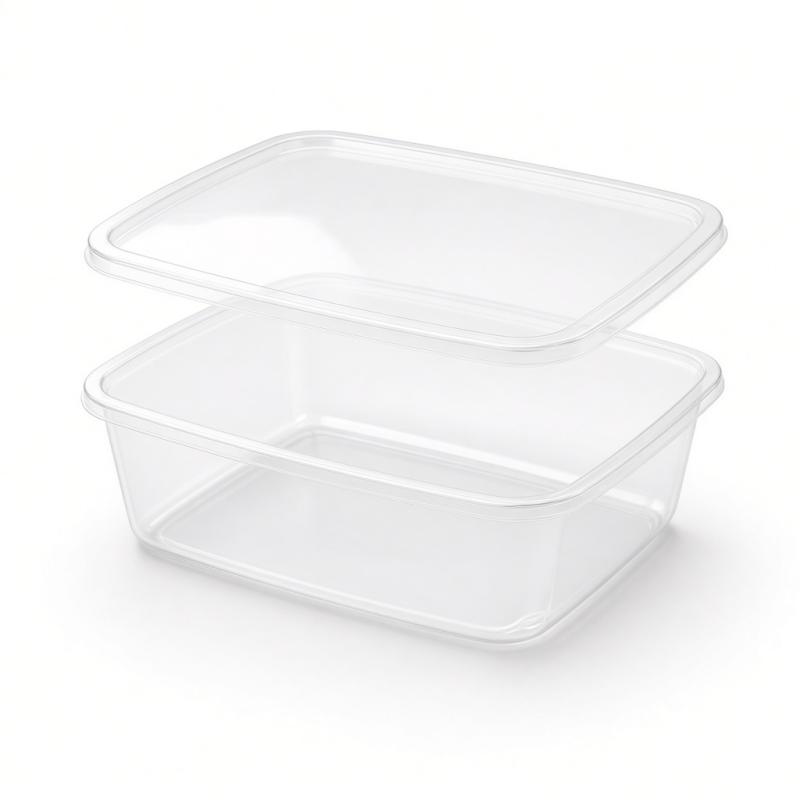
How Technical Differences Affect Practical Application
The actual performance gap between different takeout boxes mainly stems from customization depth and production flexibility. Suppliers that support “on-demand customization” usually have independent mold development capabilities, allowing them to adjust box depth or divider layout based on specific dish dimensions, thereby reducing food movement during transport. In contrast, general-purpose takeout boxes with fixed specifications may cost less, but when adapting to specific dishes they easily cause wasted space or poor sealing. In addition, “whether logo printing is supported” affects not only brand presentation but also involves the choice of printing process—screen printing, thermal transfer, or labeling. Each method has different requirements for box surface material and scratch resistance, directly affecting the appearance integrity of the finished product after transport and storage.
Application Scenarios and Understanding Framework
When selecting fast-food takeout boxes, build your understanding along these key dimensions: First, focus on customization capability rather than only stock specifications—especially in scenarios with unusually shaped dishes or large portion differences, customized shape and capacity significantly improve packaging fit. Second, check the customizable range of color and pattern, which relates to brand visual consistency, especially in chain restaurants. Third, understand the shipping method and inventory status—for instance, “logistics delivery” and “sufficient stock” mean the supplier can handle bulk orders, but for export needs, extra confirmation is required on whether the material meets the food safety standards of the destination country. Fourth, determine whether logo printing is needed, as this decides the choice of printing process and subsequent wear resistance. Through these observation dimensions, practitioners can more rationally evaluate whether a takeout box truly suits their business scenario, instead of deciding based solely on a single feature like “easy opening.”
Application Scenarios and Understanding Framework(repeated section in original)
When selecting fast-food takeout boxes, focus on these dimensions: First, prioritize customization capability over stock specs—custom shape and capacity greatly improve fit for special-shaped dishes or varying portions. Second, verify customizable color/pattern range for brand visual consistency in chain operations. Third, understand shipping mode and inventory status; “logistics delivery” and “ample stock” indicate bulk-order capability, but export orders need extra checks on whether material complies with destination food-safety standards. Fourth, decide if logo printing is required, since that determines printing process and later abrasion performance. With these dimensions, practitioners can assess box suitability more rationally, not just by “easy opening.”