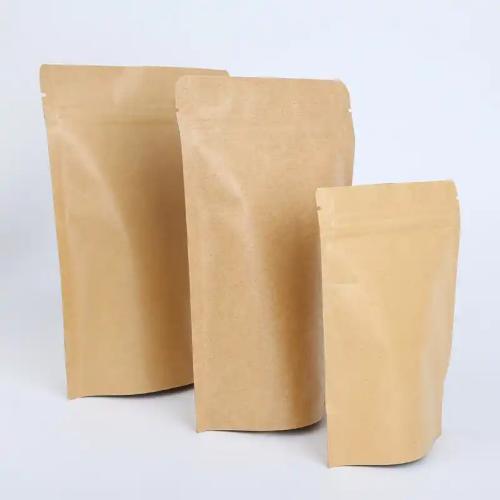
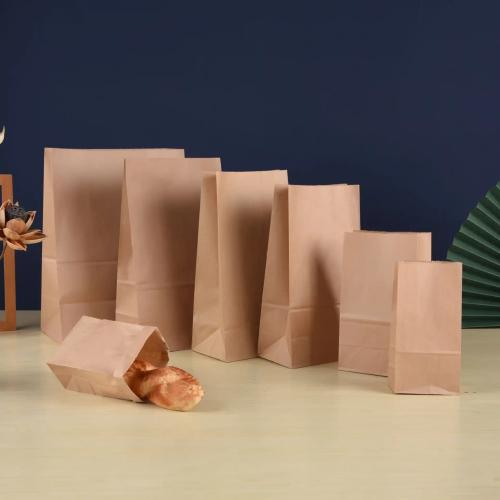
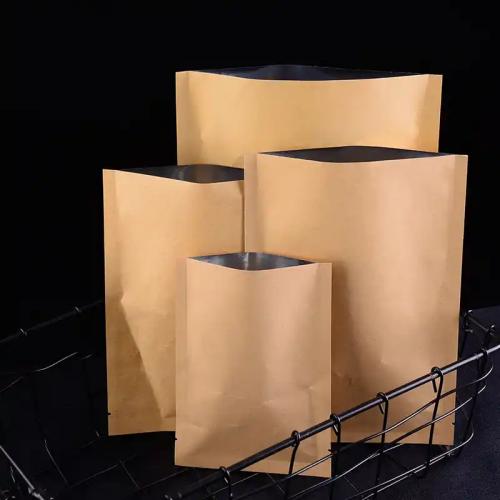
Paper-plastic composite bags are multi-layer packaging solutions combining the structural rigidity of paper with the barrier performance of plastic films. Their temperature resistance varies widely depending on the polymer functional layer (PE, PP, PET, PA), lamination process, and intended industry application. This guide breaks down exact thermal thresholds, structural influencing factors, and best-practice application guidelines
Quick Reference: Temperature Resistance by Material & Application
| Polymer / Category | Material Combination | Thermal Limit Range | Primary Application / Sterilization Method |
|---|---|---|---|
| PE (Polyethylene) | Kraft Paper + PE | -20°C to 100°C | Ambient storage, cold chain, bread & dry food packaging |
| PP (Polypropylene) | Kraft Paper + PP | 120°C to 150°C | Microwave heating (2–3 mins), hot-fill foods |
| PET (Polyethylene Terephthalate) | Paper + PET / PE Laminated | 150°C to 200°C | High-barrier industrial components, chemical raw materials |
| PA (Nylon) | Paper + PA / PE Laminated | >150°C (Melts 220°C–250°C) | High puncture-resistance industrial & medical packaging |
| Retort Food Grade | Paper + PET/PA + PE Laminated | 121°C to 135°C | High-pressure steam retort sterilization (meat, cooked meals) |
| Medical Sterilization Grade | Medical Paper + PET/PE or PA/PE | 121°C to 134°C | Autoclave steam sterilization & medical device packaging |
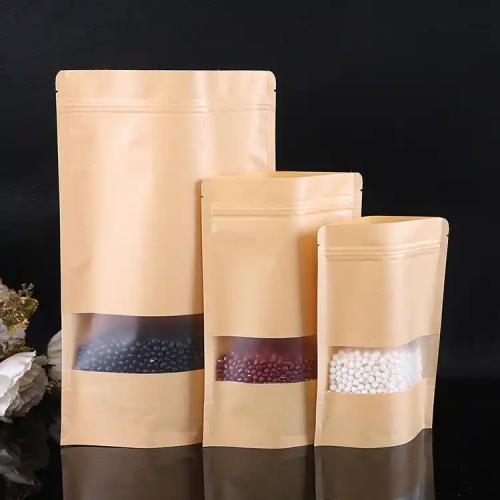
Core Determinants of Base Polymer Thermal Limits
The plastic layer dictates the moisture barrier, oxygen barrier, and continuous thermal limit of a paper-plastic pouch. Key polymer characteristics include:
- Polyethylene (PE): Softening point ~110°C; continuous use limit ≤100°C. Retains flexibility at sub-zero temperatures (-20°C to 0°C).
- Polypropylene (PP): Melting point 160°C–170°C; continuous use limit 120°C–150°C. Highly suitable for short-term microwave heating.
- Polyethylene Terephthalate (PET): Melting point 250°C–260°C; continuous operation 150°C–200°C. Offers exceptional heat resistance and gas barriers.
- Nylon (Polyamide / PA): Melting point 220°C–250°C; continuous operation >150°C. Provides high puncture resistance and thermal stability.
4 Key Structural Factors Affecting Thermal Performance
A paper-plastic bag operates under the “weakest layer principle”, where adhesives, paper treatment, and processing affect overall thermal integrity:
1. Lamination Adhesive Quality
Dry lamination requires heat-resistant polyurethane adhesives. Substandard adhesives degrade under elevated temperatures, leading to pouch delamination, blistering, or seal separation. Extrusion lamination relies on precise melt quality and coating thickness uniformity to prevent localized heat failure.
2. Paper Substrate Weight & Coating
Untreated kraft paper absorbs moisture and warps under heat. Coating paper with waterproof films (PE, paraffin) or using heavier paper grammages (≥200g kraft paper) significantly increases resistance to high-temperature thermal shrinkage.
3. Polymer & Paper Additives
Antioxidants slow thermal aging in plastic films, while inorganic heat stabilizers (talc powder, fiberglass) elevate the polymer softening point. Thermosetting resins (such as melamine resin) added during paper manufacturing improve thermal endurance.
4. Environmental Pressure & Steam Media
High-temperature processing generates internal vapor pressure inside sealed bags. Steam sterilization (wet heat) provides better heat dissipation than dry hot air, which accelerates cellulose fiber oxidation and brittleness.
Best Practices & Storage Precautions
- Verify Packaging Labels: Ensure maximum thermal ratings match the heating method (e.g., never place PE-laminated pouches into a microwave).
- Cross-Industry Compliance: Do not use industrial paper-plastic packaging for food, and ensure medical-grade pouches conform strictly to ISO 11607 sterilization standards.
- Storage Conditions: Store in a cool, dry place away from direct sunlight. Maintain ambient temperatures ≤30°C and relative humidity ≤65% to prevent premature polymer oxidative aging.
- Exposure Limits: Avoid continuous exposure to maximum rated temperatures for over 1 hour to prevent trace substance migration or material degradation.
Frequently Asked Questions (FAQ)
Q1: What is the main temperature limitation of PE-laminated paper bags?
Answer: PE-laminated paper bags have a maximum continuous temperature limit of 100°C. They are ideal for ambient storage and refrigeration (-20°C to 100°C) but will deform or melt if subjected to microwave heating or retort autoclaving.
Q2: Can medical paper-plastic pouches withstand both steam and dry heat sterilization?
Answer: Medical paper-plastic pouches using PET/PE or PA/PE laminates withstand high-pressure steam autoclaving at 121°C–134°C. However, dry heat ovens (160°C–180°C without moisture) degrade paper cellulose fibers and melt PE layers, requiring pure polyamide (PA) tubing instead.