Packaging boxes, as the core carriers for product display and protection, require a design that balances functionality and visual appeal. From material selection to process application, packaging boxes in different scenarios must meet specific needs. For example, food gift boxes need to balance safety and aesthetics, while terminal sales scenarios place more emphasis on the display effect and cost balance of the packaging. The following analysis is conducted from three dimensions: material characteristics, process advantages, and applicable scenarios.
In terms of material selection, commonly used materials for packaging boxes include white cardboard, specialty paper, and coated paper. White cardboard features high stiffness and strong print adaptability, making it suitable for making gift boxes that need to bear a certain weight. Specialty paper enhances texture through surface treatment processes (such as embossing and hot stamping) and is often used for high-end gift packaging. Coated paper, with its smooth surface and high color reproduction, is suitable for scenarios requiring fine pattern printing. The inner tray part uses cardboard trays, which can not only fix the position of the product but also enhance the sense of ceremony when opening the box through layered design.
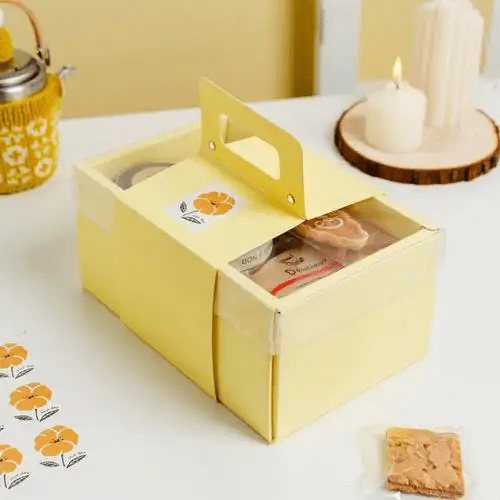
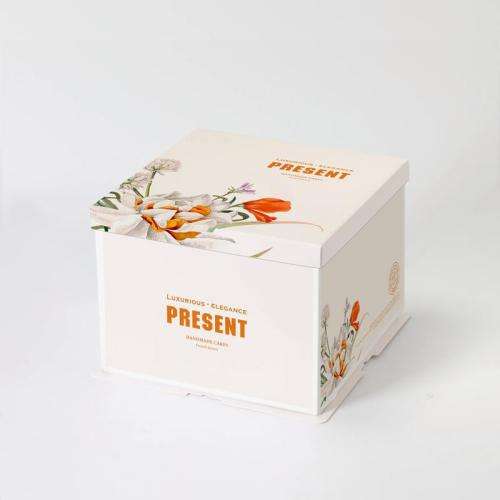
In terms of processes, offset printing technology has become the mainstream choice for terminal packaging due to its advantages of accurate color reproduction and low cost for mass production. CMYK four-color printing can achieve the presentation of complex patterns, and when combined with post-press processes such as lamination and UV coating, it can further enhance the wear resistance and glossiness of the packaging. For scenarios that need to highlight brand identity, the service of adding printed logos can be achieved through processes such as hot stamping and embossing, enhancing visual recognition. A daily production capacity of 100,000 pieces can meet the timeliness requirements of large-scale commercial activities.
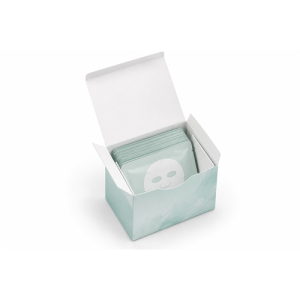
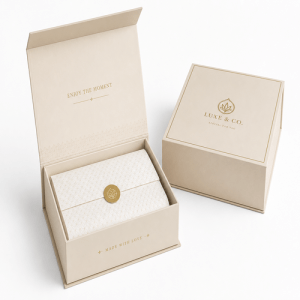
From the applicable scenarios, such packaging boxes are mainly oriented towards the gift box market and need to balance transportation protection and terminal display functions. The upper and lower cover structure, through a separated design, not only facilitates the insertion of products but also creates a sense of ceremony through the opening and closing actions. The layers of paper packaging ensure environmental friendliness while achieving a balance between lightweight and load-bearing through structural optimization. For products that require differentiated presentation, customized processing services can support adjustments in details such as size, shape, and window positions to meet the packaging needs of different categories.
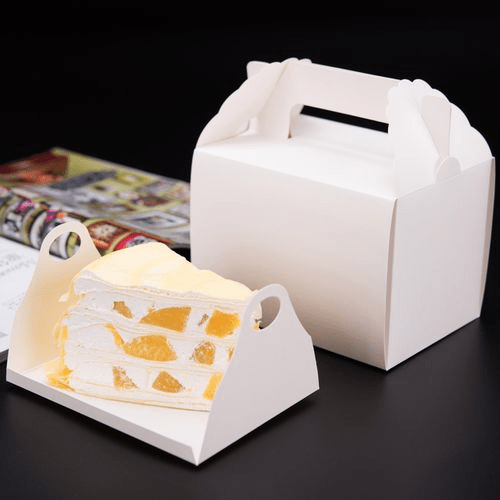
From the applicable scenarios, such packaging boxes are mainly oriented towards the gift box market and need to balance transportation protection and terminal display functions. The upper and lower cover structure, through a separated design, not only facilitates the insertion of products but also creates a sense of ceremony through the opening and closing actions. The layers of paper packaging ensure environmental friendliness while achieving a balance between lightweight and load-bearing through structural optimization. For products that require differentiated presentation, customized processing services can support adjustments in details such as size, shape, and window positions to meet the packaging needs of different categories.