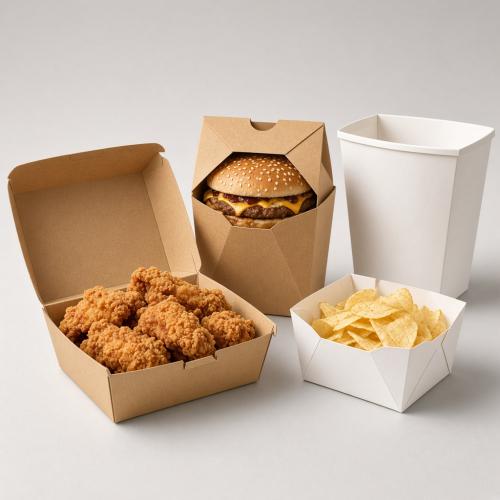
Fast-food paper containers and packaging boxes are far more than just holders—their design must integrate material strength, process cost, and food characteristics. For example, fried-chicken boxes need to resist oil and retain heat, while dried-fruit boxes should focus on moisture resistance. Flexographic printing keeps brand graphics clear while also balancing wear resistance and cost-effectiveness. Understanding these logics allows packaging to truly protect the flavor and convey value.
The core function of fast-food packaging boxes is not only to hold food, but also to protect food quality during transportation, storage, display, and consumption, while taking cost and appearance into account. From an industry perspective, the design logic of packaging boxes mainly revolves around three aspects: material selection, structural strength, and printing process. Together, these factors determine whether a box is suitable for a specific fast-food category.
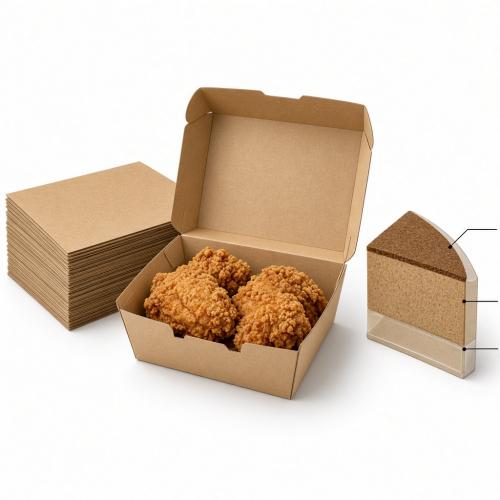
At the material level, fast-food packaging boxes usually use paper-based materials, because paper offers good formability, print adaptability, and recyclability. The strength of a paper box depends on the paper’s gram weight and number of plies. For instance, packaging for fried fast food needs higher stiffness and oil resistance, while boxes for dried-fruit snacks care more about moisture barrier performance. To meet these requirements, common industry practices include surface coating or using composite structures, which improve protection without significantly raising cost.
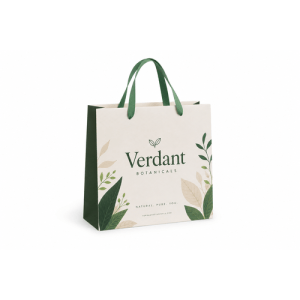
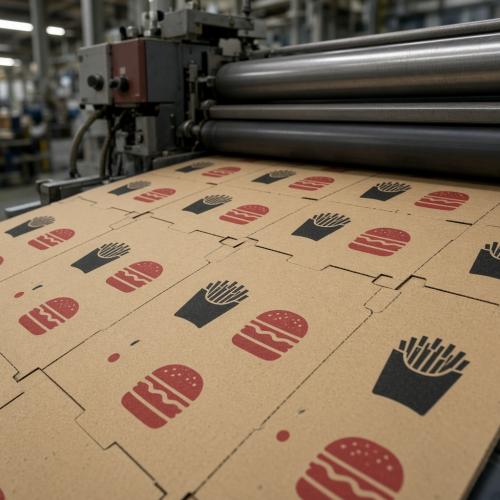
In terms of process, flexographic printing is a commonly used method for fast-food paper containers. It is widely adopted because it delivers good color reproduction and detail even in low-to-medium volume production, while keeping printing costs relatively low. For fast food, printed graphics often highlight the brand logo and product information; the ink adhesion and abrasion resistance of flexo printing can withstand the friction from daily shipping and handling. In addition, box structure affects print results—complex box shapes require consideration of pattern registration accuracy to avoid misalignment or distortion.
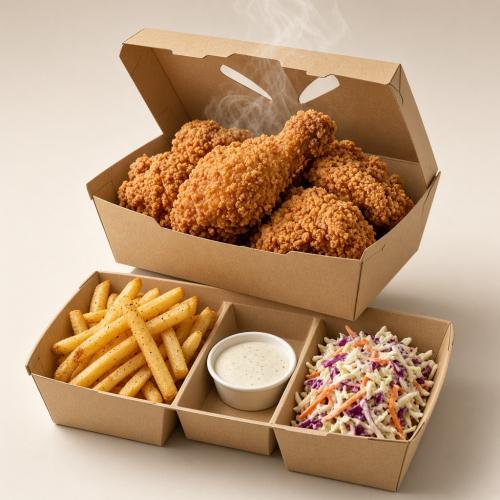
From an application standpoint, fast-food packaging design must be adjusted to food properties. For example, hot-served items like fried chicken need boxes that retain some heat and block grease penetration; fragile items may need internal dividers or cushioning. The industry generally meets these needs by adjusting paper thickness, adding functional coatings, or optimizing box structure—rather than relying on a single material or process. Understanding these design logics helps select the right packaging for a given fast-food category, instead of judging by looks or price alone.
From an application standpoint, fast-food packaging design must be adjusted to food properties. For example, hot-served items like fried chicken need boxes that retain some heat and block grease penetration; fragile items may need internal dividers or cushioning. The industry generally meets these needs by adjusting paper thickness, adding functional coatings, or optimizing box structure—rather than relying on a single material or process. Understanding these design logics helps select the right packaging for a given fast-food category, instead of judging by looks or price alone.