How to Achieve the Unity of Protection and Aesthetics in Gift Box Packaging? — The Packaging Logic from a Structural Design Perspective
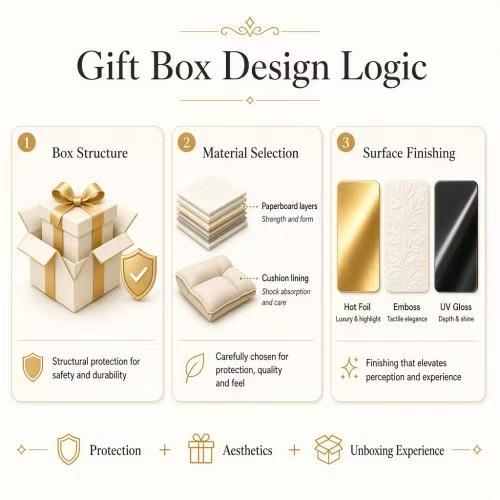
To understand the design logic of gift boxes, we can look at three dimensions: box type, material, and finishing process, so as to balance protective function, visual presentation, and unboxing experience. The telescopic lid box (heaven-and-earth cover) is easy to open but weak in compression resistance; the book-style box is sturdy and dignified; the drawer box offers good shock resistance.
The core task of gift box packaging is to protect the contents during transportation and gifting, while conveying emotion and brand value through its exterior design. Such packaging is not a simple container, but a composite product of structural mechanics, materials science, and visual communication. To grasp the design logic of gift boxes, one must start from three dimensions: box structure, material selection, and surface finishing—which together determine the package’s protection performance, opening experience, and display effect.
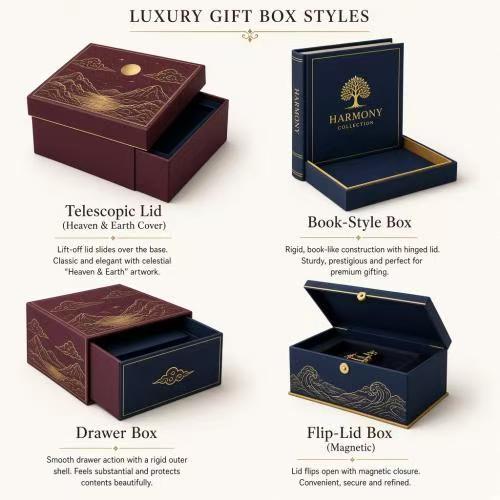
From a protection standpoint, the box type is the key factor in compression resistance. The common telescopic lid box (top and bottom separate) relies on friction between the lid edge and the side walls of the body to stay closed. This design allows quick opening and closing, but has relatively weak lateral crush resistance. The book-style box mimics hardcover book binding: the lid and body are connected by a hinge, making the structure more stable—suitable for heavier or fragile items. The drawer box uses a push-pull opening; with all four sides enclosed, it has better compression resistance and prevents items from sliding out during transport. The flip-lid box combines features of both the telescopic and book-style boxes, using magnetic closure or buckles to secure the lid, balancing sealing performance with a sense of unboxing ritual. In practice, box type is chosen based on item weight, fragility, and desired opening experience—for example, high-end gifts tend to use book-style or flip-lid boxes to create a solemn unboxing feel.
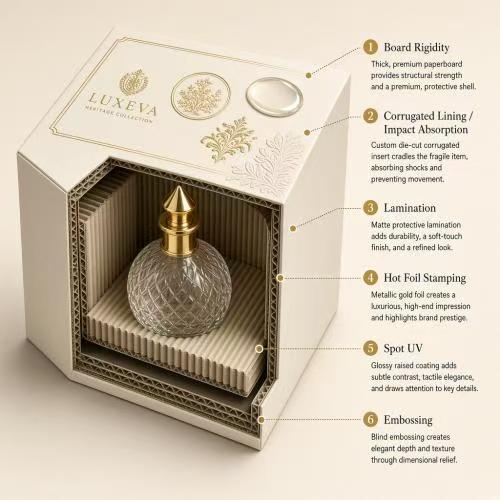
In terms of materials and processes, the rigidity of the box and the lining design directly affect protection. Moderate box rigidity means the gram weight and ply count of the paper or board are calculated: it resists certain pressure without being so heavy as to raise shipping costs. Lining material reflects the need to fix and cushion the item: corrugated paper lining, with its wavy structure, effectively absorbs impact and suits irregular or easily shifted items; a no-lining design is mostly used when the item is already fixed by dividers or fillers. Surface processes such as lamination, hot stamping, UV coating, and embossing mainly serve visual and tactile experience: lamination adds water resistance and abrasion resistance; gold or silver foil stamping enhances premium feel through metallic luster; UV coating creates local highlights; embossing gives patterns a 3D touch. These processes are not pure decoration—through material contrast and light-shadow changes, they guide visual focus and strengthen the communication of brand marks or emotional symbols.
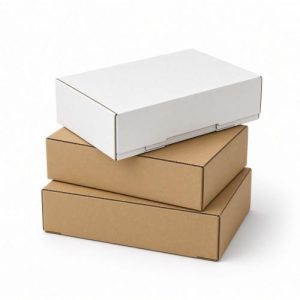
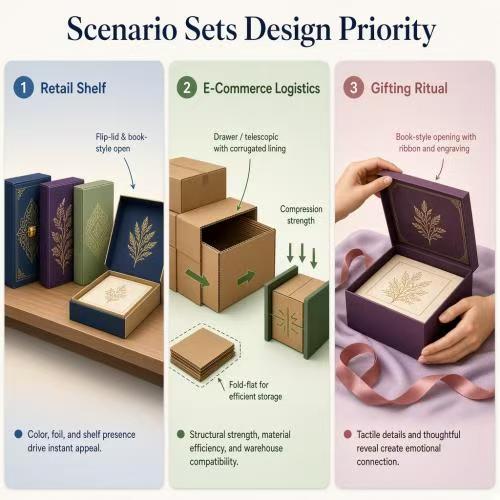
The actual application scenario determines the design priority of gift boxes. In a retail shelf scenario, packaging needs strong visual appeal, so surface finishing and color matching come first, and structures lean toward flip-lid or book-style boxes for display. In e-commerce logistics, compression and shock resistance matter most—telescopic lid or drawer boxes with corrugated linings are common, and foldability directly affects storage and shipping efficiency. In gifting scenarios, unboxing ritual and brand consistency are emphasized: book-style or flip-lid boxes paired with custom engraving, hot stamping, etc., make the package itself part of the gift. Understanding these differences helps when selecting or designing gift boxes to balance protection, visual presentation, and cost control based on real needs, rather than judging by appearance alone.