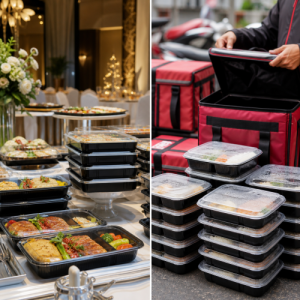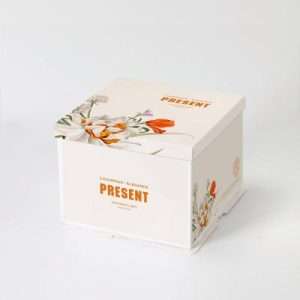
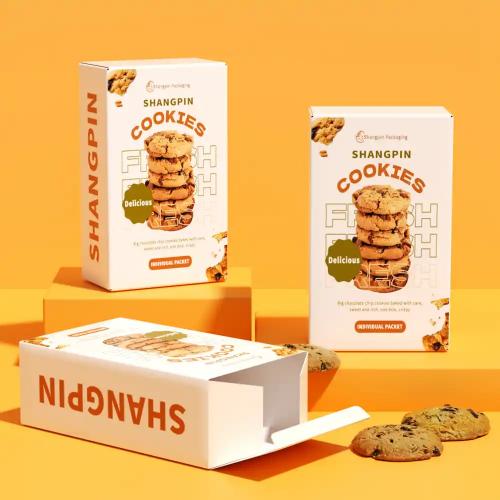
Food packaging boxes combine 3-5 layers of cardboard structure with 9 major processes to achieve both sealing and display functions while ensuring transportation safety, addressing the dual challenges of physical protection and visual marketing.

As outer packaging, the core function of food packaging boxes is to protect the product, convey brand information, and enhance the consumer experience. Modern packaging boxes typically use a 3-5 layer cardboard structure, integrating 9 major processes such as lamination and hot stamping to meet these requirements. This multi-process integration stems from the food industry’s comprehensive demands for sealing, display, and transportation safety.
The multi-layer cardboard structure forms cushioning and load-bearing layers within a thickness range of 4-6mm by combining papers of different grammages. The lamination process creates a protective barrier on the surface that blocks water vapor, while UV treatment enhances ink adhesion to prevent peeling. Decorative processes like hot stamping with gold or silver add shelf appeal through localized metallization. These technologies collectively address the dual challenges of physical protection and visual marketing in food packaging.
The industry generally categorizes packaging processes into functional treatments (e.g., lamination and varnishing) and decorative treatments (e.g., embossing and glitter). The former directly impacts physical properties such as moisture resistance and compressive strength, while the latter relates to brand premiumization. Certification systems like ISO 9001 pay special attention to process stability because the same batch of packaging boxes must maintain completely consistent sealing performance and printing results.
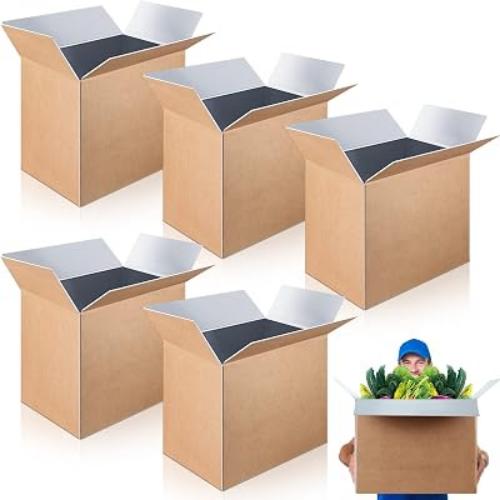
For fragile foods like nuts and cookies, the number of layers and thickness of the packaging box need to be adjusted based on the product’s brittleness. Meanwhile, high-fat foods like dried meat rely more on the barrier properties of the lamination process. The 3-day design prototyping phase is primarily used to validate the actual effects of the process combination, and this preliminary verification helps avoid functional defects during mass production.
For fragile foods like nuts and cookies, the number of layers and thickness of the packaging box need to be adjusted based on the product’s brittleness. Meanwhile, high-fat foods like dried meat rely more on the barrier properties of the lamination process. The 3-day design prototyping phase is primarily used to validate the actual effects of the process combination, and this preliminary verification helps avoid functional defects during mass production.