Paper Tote Bags — Product Overview
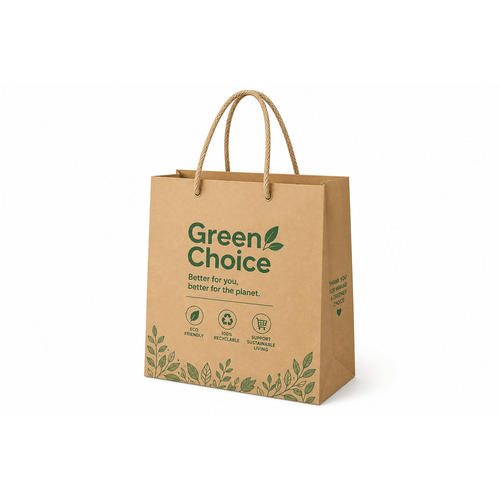
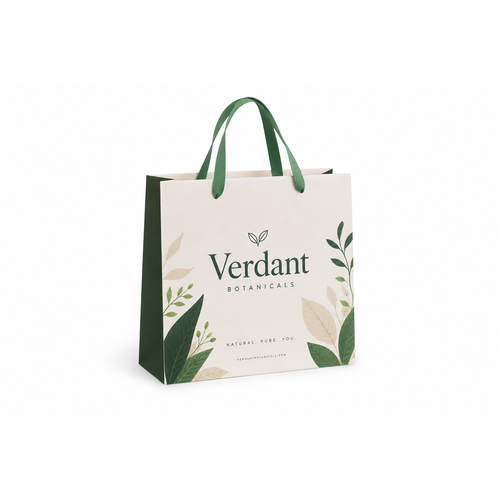
This product is a paper promotional tote bag that supports full customization, with fast delivery in 3–5 days. It supports logo printing and eco-friendly design, offers excellent material quality and high brand visibility, and is an ideal choice for all kinds of business events.
As end-use packaging, paper tote bags combine practicality with marketing impact. They are widely used in supermarkets, specialty stores, trade shows, and similar settings, delivering strong commercial value. Custom designs communicate brand and product messages while meeting everyday carrying needs. Products are typically made from quality paper stock and finished through printing, lamination, hot stamping, and other processes. Multiple sizes and small-batch production are supported, making tote bags an efficient promotional medium for businesses.

1. Production Principles and Process Features
Tote bag production integrates digital printing, lamination, hot stamping, and die-cutting, with equipment working in coordination throughout printing. Graphics are transferred onto paper via ink, then enhanced through lamination and high-pressure embossing for a rich visual finish. Bag bodies are formed by die-cutting board, folding, and gluing into a three-dimensional structure. Lead time from artwork to finished goods is typically 3–5 days, with monthly capacity up to 30,000 units—suitable for urgent orders.
2. Customization Options
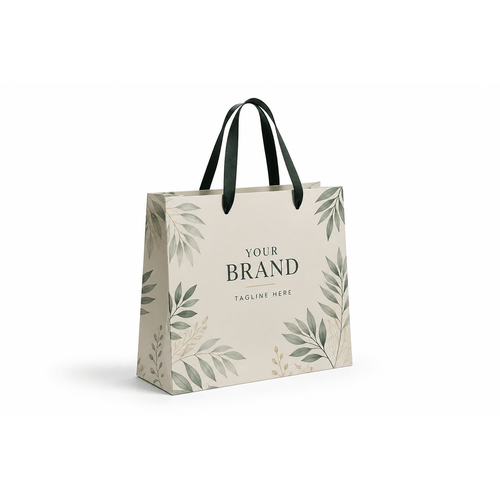
Customers can choose designs based on service context and brand tone. Options include simple logo printing, spot colors, Pantone color systems, and multiple size specifications. The workflow covers proofing, material selection, and final delivery to ensure results meet expectations. Please note that lamination, spot-color overprinting, and structural load-bearing must stay within standard process limits to avoid deformation or tearing.
3. Core Advantages and Application Scenarios
As a universal packaging carrier, tote bags reach end consumers directly at the point of sale. Key advantages include: (1) high brand exposure and secondary sharing potential; (2) controllable cost, with paper materials suitable for bulk sourcing and disposal; (3) broad applicability across product packaging, event gifts, and exhibition materials. Kraft paper and white cardboard are especially popular with supermarkets and retail brands, effectively elevating perceived product quality.
4. Quality Management and Production Capacity
Large-scale production follows standardized process management. From raw material inspection to finished-goods release, products pass 12 quality checkpoints. Key metrics include printing accuracy within ±0.1 mm, bag load capacity of at least 5 kg, color-difference control, and abrasion resistance testing. Standard orders can be delivered within 3 days; bulk order lead times depend on lamination and hot-stamping complexity and are reflected accurately in quotations.