When selecting food packaging materials, you are choosing much more than just a box or a pouch. Your choice directly impacts food shelf life, moisture/grease resistance, and overall packaging costs.
Many food brands face a common dilemma: “Can standard paperboard be used in a microwave?” or “Can compostable PLA containers handle freshly cooked, high-heat food?”
As a professional food packaging solutions provider, Griman breaks down the physical properties, temperature limits, and applications of four mainstream packaging materials—Griman Standard Paperboard, Griman Barrier Paperboard, Traditional Plastics (PET/PP), and Biodegradable Materials (PLA/Bagasse)—to help you make the best procurement decision.
Quick Comparison: Mainstream Food Packaging Materials & Thermal Properties
| Comparison Factor | Griman Standard Paperboard | Griman Barrier Paperboard | Traditional Plastics (PET / PP) | Biodegradable (PLA / Bagasse) |
|---|---|---|---|---|
| Primary Material | Natural Wood/Bamboo Pulp | High-Barrier Paperboard | Petroleum Polymers (PET / PP) | Cornstarch / Plant Fiber Extract |
| Temperature Range | -20°C to 100°C (-4°F to 212°F) | 120°C to 150°C (248°F to 302°F) | PET: 70°C – 90°C PP: 100°C – 140°C | 50°C to 80°C (122°F to 176°F) |
| Heat Compatibility | Ambient & Mild Warm Foods | High-Heat Microwave & Hot Food Safe | PP is Microwaveable; PET non-heatable | Ambient & Low-Heat Foods Only |
| Barrier Performance | Moderate (Oil & Moisture resistant) | Exceptional (High barrier to oil, water & leakage) | Exceptional (Airtight & Oxygen barrier) | Moderate (Best for short shelf-life) |
| End-of-Life & Sustainability | 100% Recyclable / Biodegradable | 100% Repulpable & Recyclable | Recyclable, but long degradation cycle | Compostable under industrial conditions |
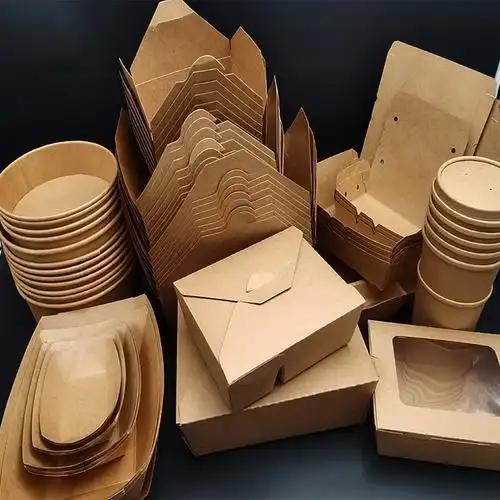
1. Griman Paperboard & High-Barrier Paperboard Series
To cater to different heating and preservation requirements, Griman classifies paper-based packaging into two specialized grades:
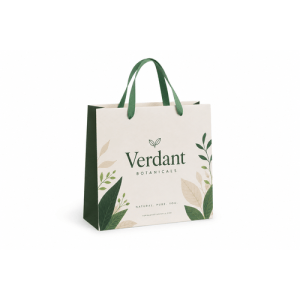
- Griman Standard Paperboard (Temperature Range: -20°C to 100°C / -4°F to 212°F): Ideal for room-temperature dry food, cold storage, and standard warm takeaway meals. It retains high structural integrity down to -20°C in freezing conditions.
- Griman High-Barrier Paperboard (Temperature Range: 120°C to 150°C / 248°F to 302°F): Engineered specifically for high-heat application and strict grease/moisture barrier needs. Heat-resistant up to 150°C, it is microwaveable and excels at holding freshly cooked, hot, and greasy meals without sogginess or leakage.
2. Traditional Plastic Packaging (PET / PP)
Thermal Performance: PET (70°C – 90°C) | PP (100°C – 140°C)
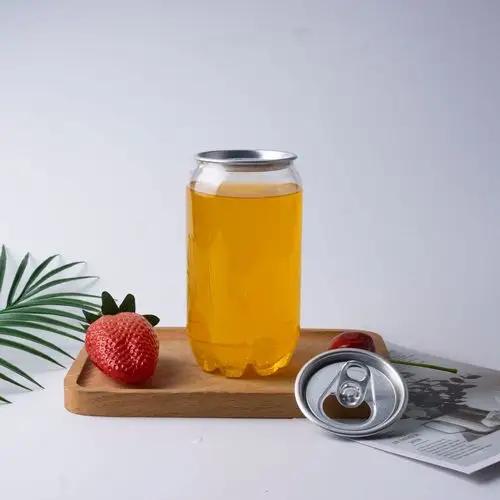
- PET Material (70°C – 90°C / 158°F – 194°F): Boasts high clarity and is suitable for cold drinks, salad containers, and refrigerated food. However, it easily deforms when exposed to hot liquids or freshly cooked meals.
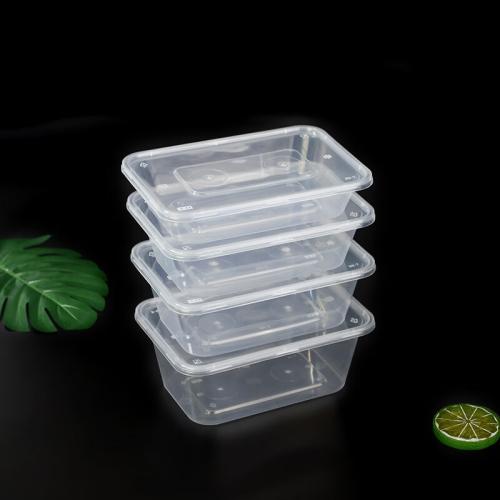
- PP Material (100°C – 140°C / 212°F – 284°F): Offers strong heat resistance and is one of the few traditional plastic polymers suitable for microwave heating.
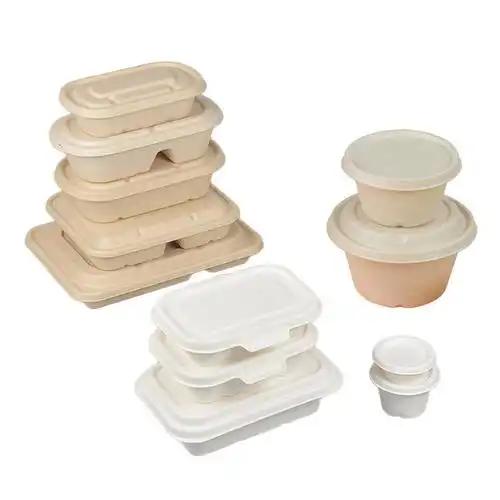
3. Biodegradable Materials (PLA / Bagasse)
Thermal Performance: 50°C to 80°C (122°F to 176°F)
Biodegradable materials such as PLA (Polylactic Acid) and sugarcane bagasse generally operate within a temperature limit of 50°C to 80°C.
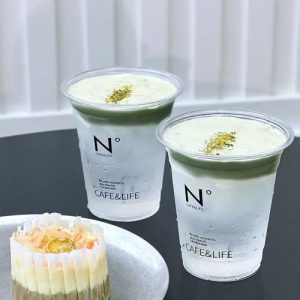
While extremely eco-friendly and fully degradable into carbon dioxide and water under industrial composting, their lower thermal ceiling makes them ideal for cold beverage cups, fresh salad bowls, ambient sandwich containers, and short shelf-life applications. They are not recommended for piping hot soups or direct microwave use.
Frequently Asked Questions (FAQ)
Q1: Which paper packaging material is suitable for high-heat hot food and microwave re-heating?
Answer: Griman High-Barrier Paperboard, with a thermal resistance rating of 120°C to 150°C (248°F to 302°F), is fully safe for high-heat microwave re-heating and hot food packaging. Standard paperboard (rated up to 100°C) is better suited for mild warm or room-temperature foods.
Q2: Can PLA compostable containers hold hot fried foods or piping hot soups?
Answer: It is not recommended. PLA and bagasse packaging typically have a maximum temperature limit of 50°C to 80°C (122°F to 176°F). Freshly fried foods or soups often exceed 90°C, which can cause PLA containers to soften or warp. For high-temperature uses, opt for Griman Barrier Paperboard (up to 150°C) or PP Plastics (up to 140°C).
Q3: Will Griman standard paper containers become soggy in freezer environments?
Answer: No. Griman Standard Paperboard withstands low temperatures down to -20°C (-4°F)
Need Help Choosing the Right Packaging? Get Professional Support from Griman
At Griman, we understand that every food product has unique requirements for grease resistance, sealability, and thermal resistance. Whether you require high-barrier hot food paperboard boxes, frozen food packaging, or PLA compostable containers, the Griman team is ready to assist with expert guidance and free sample kits.