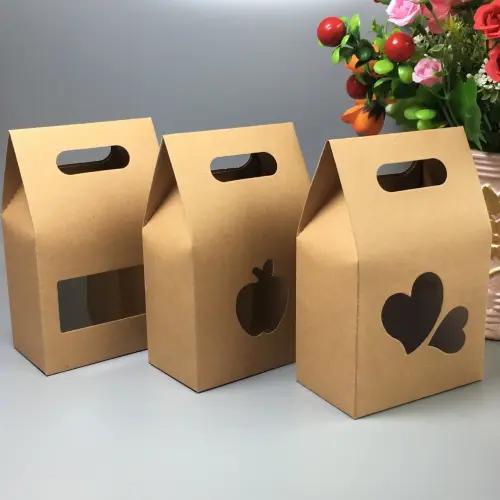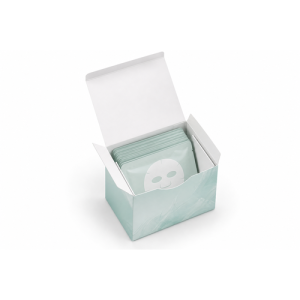

Beneath the seemingly simple candy packaging box lies a delicate balance between offset printing technology and folding structure design. It must not only present exquisite Chinese-style patterns but also withstand mass production of 100,000 units per day while ensuring the candies remain intact during transportation.
In the field of food packaging, consumers often focus more on the appearance and color performance of the packaging while overlooking the impact of printing processes and structural design on product protection and the actual user experience. Take candy packaging as an example—what appears to be a simple paper box actually requires balancing multiple factors such as printing quality, production efficiency, transportation costs, and ease of opening.

Working Principle and Core Structure Analysis
Offset printing (CMYK four-color printing) achieves high-precision color reproduction through ink transfer, making it particularly suitable for complex patterns like Chinese-style designs. Folding cartons are formed using die-cutting and creasing techniques to create pre-folded lines. This one-piece molded structure ensures efficient space utilization in its flat state during transportation and allows for quick assembly when in use. The empty box with an inner tray design avoids direct contact with the candies, reducing hygiene risks while providing operational space for subsequent automated filling.
How Technical Differences Affect Practical Applications
Compared to traditional screen printing, offset printing maintains better color consistency at a mass production scale of 100,000 units per day. However, ink adhesion can be affected by the surface coating of the paper. The compressive strength of the folded structure depends on the paper’s grammage and the precision of the creases—overly deep creases may reduce load-bearing capacity, while overly shallow ones can make assembly difficult. Although an empty box without an inner liner reduces costs, additional cushioning materials may be required for long-distance transportation.
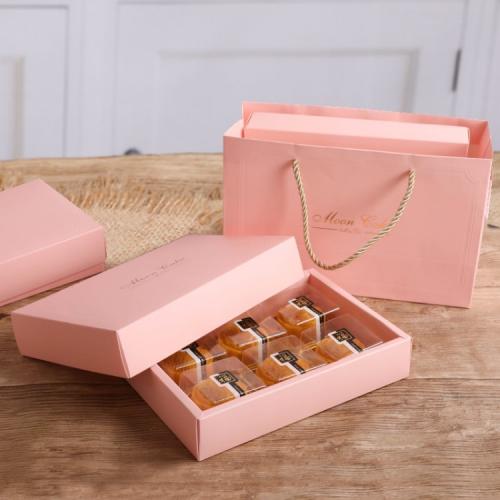
Application Scenarios and Understanding Framework
When evaluating such packaging, key considerations include:
1) Whether the CMYK color gamut meets brand visual requirements.
2) Whether die-cutting precision affects the efficiency of automated production lines.
3) The compatibility between paper stiffness and product weight.
4) The fatigue resistance of folding lines for seasonal products (e.g., Spring Festival candies) that require repeated opening.
For products requiring cold-chain transportation, additional testing is needed to assess paperboard deformation rates under high-humidity conditions.