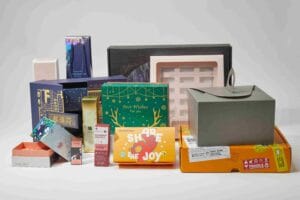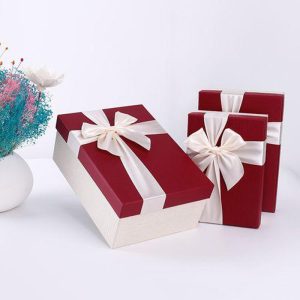
Tea, as both a daily beverage and a gift, requires packaging that balances protection and aesthetics. Cardboard boxes, a common form of logistics and gift packaging, can, through reasonable structural design and material selection, protect tea from moisture, pressure, and deformation, while customized designs can enhance its gift appeal. This article analyzes the practical value of cardboard boxes for tea from the perspectives of moisture-proof technology principles, usage methods, and material characteristics.
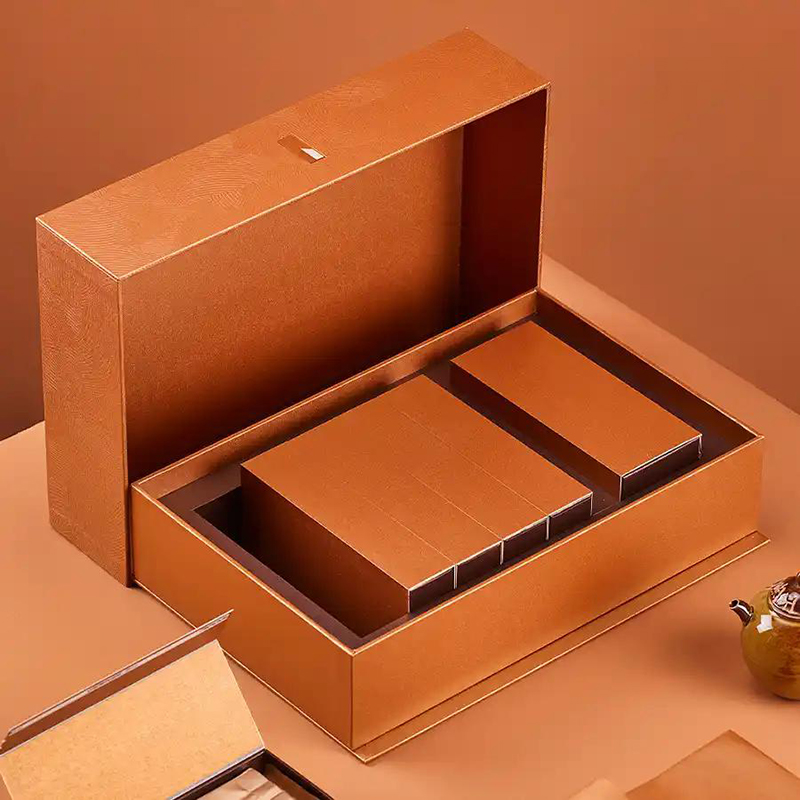
I. Structural Design and Functional Implementation Tea gift cartons typically use corrugated cardboard as the main material, with a three- or five-layer structure composed of a face paper, corrugated core paper, and liner paper. The corrugated structure, through the principle of mechanical dispersion, can withstand external pressure and reduce the impact on the tea inside. For example, the compressive strength of a five-layer corrugated carton can be more than twice that of a three-layer structure, making it suitable for long-distance transportation or stacking. The inside of the carton is often designed with dividers or foam padding to further secure the tea canister and prevent damage caused by shaking during transportation.

II. Surface Treatment Process Analysis: Surface treatment is a key element in enhancing the texture of gift boxes. Embossing uses mold pressing to create a three-dimensional feel for patterns or text, enhancing visual depth; UV coating forms a high-gloss protective film, improving wear resistance and water resistance; matte finishing reduces surface reflectivity through chemical or physical methods, creating a subtle sense of luxury; hot stamping uses high temperatures to transfer metallic foil to the gift box surface, achieving metallic effects such as gold and silver. These processes can be used individually or in combination; for example, "UV + hot stamping" can simultaneously achieve both wear resistance and a luxurious visual effect.


III. Material Selection and Environmental Characteristics Tea products have high requirements for the environmental friendliness of packaging materials. The cartons are primarily made of recyclable corrugated cardboard, meeting food contact material safety standards. Some products are FSC certified, ensuring that raw materials come from sustainably managed forests. Water-based inks are used in the production process to reduce volatile organic compound (VOC) emissions. The lightweight design of the cartons (such as reducing cardboard weight) reduces resource consumption while maintaining strength, aligning with green packaging trends.
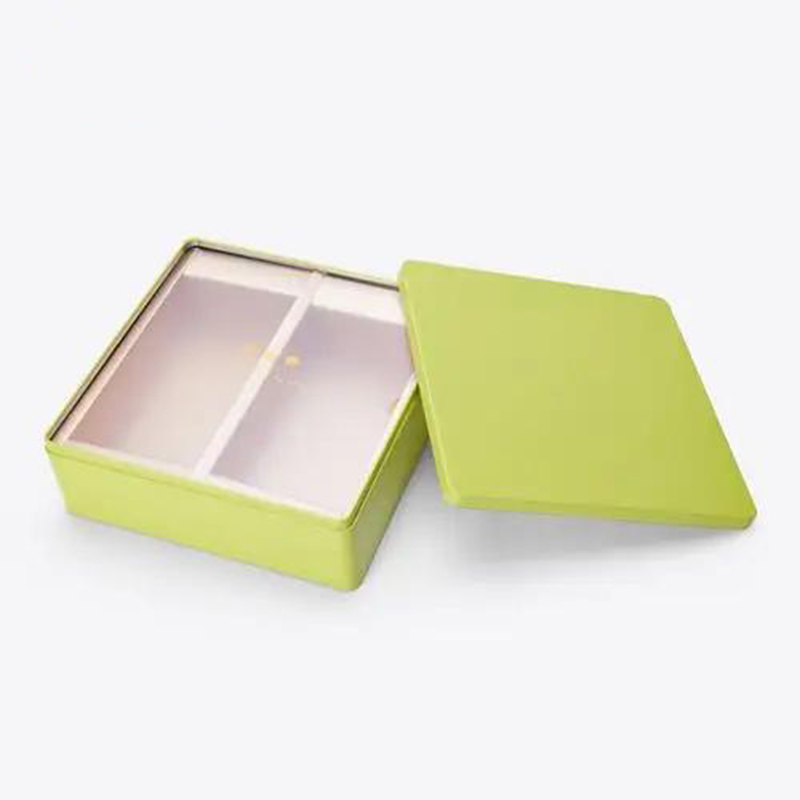
IV. Application Scenarios and Functional Extensions: In the food industry, high-end tonics such as black goji berries need to convey a natural and healthy brand concept through gift boxes. In this case, a frosted finish paired with a dark-colored design can be used, with EVA material used for separate packaging inside, which is both moisture-proof and enhances the sense of ceremony when opening the box. In the field of electronic products, precision devices such as mobile phones and headphones require special protection. A book-shaped box structure with a foam inner tray can effectively reduce vibration during transportation. In the context of holiday gifting, top-and-bottom lid gift boxes have become the mainstream choice due to their convenient opening and closing. The holiday elements printed with embossing technology can enhance emotional resonance.