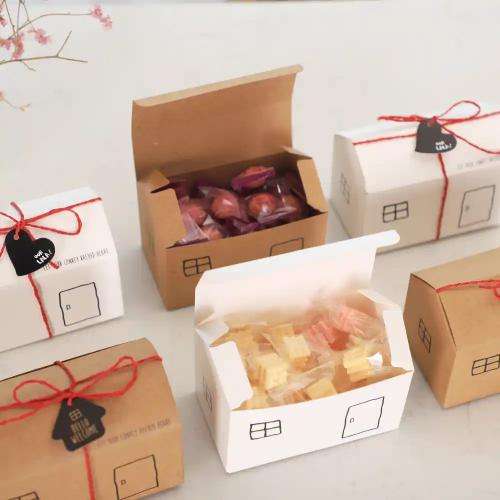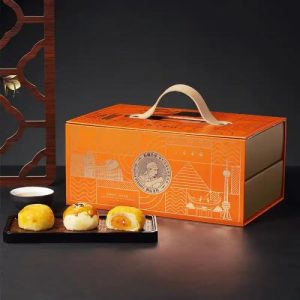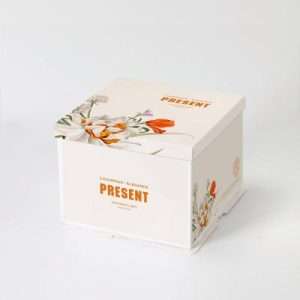
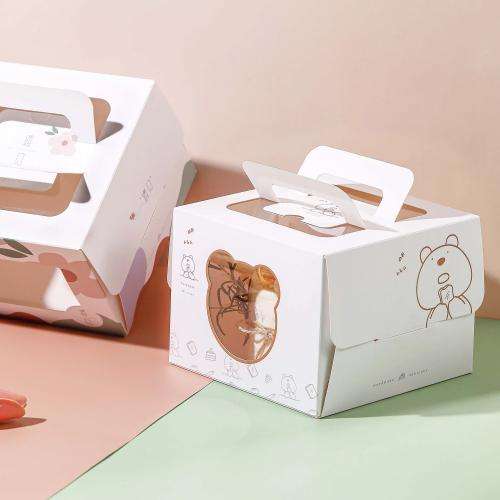
Food packaging boxes are indispensable auxiliary tools in the storage, transportation, and sales of food products. Their core functions are to protect food, extend shelf life, and enhance display appeal. With the food industry’s increasing demands for safety, functionality, and personalization in packaging, box designs have evolved from singular protection toward multi-functional and customized solutions. This article uses common food packaging boxes as examples to introduce their technical characteristics and application scenarios.
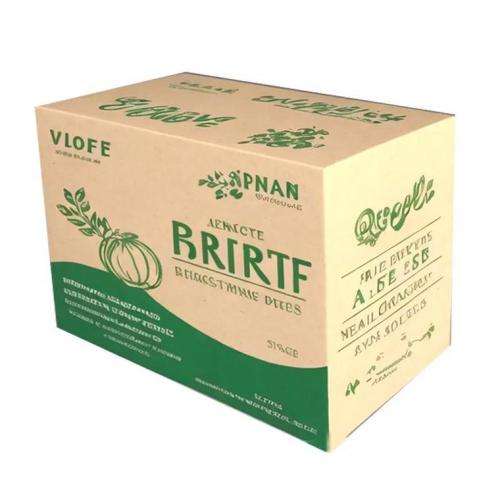
I. Technical Principles and Structural Design
The moisture-proof and shockproof performance of food packaging boxes relies primarily on material selection and structural design. Regarding materials, thickened and hardened corrugated cardboard or composite materials are typically used; these materials enhance compressive strength and moisture resistance by increasing the number of plies or adding waterproof coatings. In terms of structural design, the boxes utilize a three-dimensional forming process, employing folding buckles or adhesive bonding to create a stable enclosed space. Internally, cushioning layers such as foam or honeycomb cardboard can be added to disperse external impact forces and reduce the risk of food damage. Furthermore, some packaging boxes adopt customizable sizing, adjusting external dimensions and wall thickness according to the shape of the food product to prevent wasted space or movement during transit.
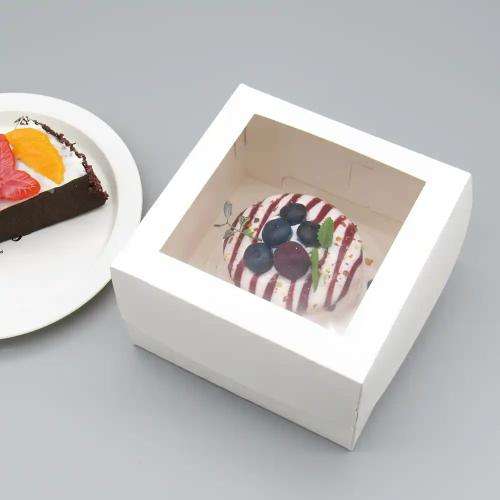
II. Usage Methods and Scenario Adaptation
The use of food packaging boxes requires a balance between protective performance and convenience. In handling or turnover scenarios, thickened and hardened materials can withstand stacking pressure and reduce the risk of deformation, while moisture-proof coatings block ambient humidity to delay spoilage caused by dampness. For display-oriented scenarios, the box surface supports custom colors or printed brand logos to enhance visual appeal. When used for shipping, it is essential to select a thickness that matches the weight of the food to avoid unnecessary costs associated with excessive packaging. Additionally, some packaging boxes feature a quick-assembly design, allowing for tool-free sealing that improves packing efficiency.
III. Customization Requirements and Technical Highlights
Compared to traditional standard packaging boxes, customized design is a core advantage of modern food packaging. Users can adjust box dimensions based on food types (such as fruits or pastries) to prevent transit collisions caused by excessive internal space, while selecting different wall thicknesses to balance cost and protection. Color customization meets brand differentiation needs, for instance, using specific color palettes to convey brand concepts like health or naturalness. Technologically, some packaging boxes utilize eco-friendly materials or degradable coatings to minimize environmental impact; foam cushioning layers can also be replaced with recyclable molded pulp, balancing functionality with sustainability.
IV. Practical Application Considerations
When using food packaging boxes, attention must be paid to the compatibility between the materials and the food. For instance, foods containing oils or acids require corrosion-resistant coatings to prevent chemical reactions between the packaging and the contents. In long-term storage scenarios, it is recommended to select composite materials with superior moisture-proof properties and to regularly inspect the seal integrity of the packaging. If logo printing is required, it is essential to confirm in advance that the printing process complies with food safety standards to prevent ink migration and food contamination. Furthermore, when customizing packaging boxes, dimensional parameters must be clearly defined to avoid usability issues caused by design errors.