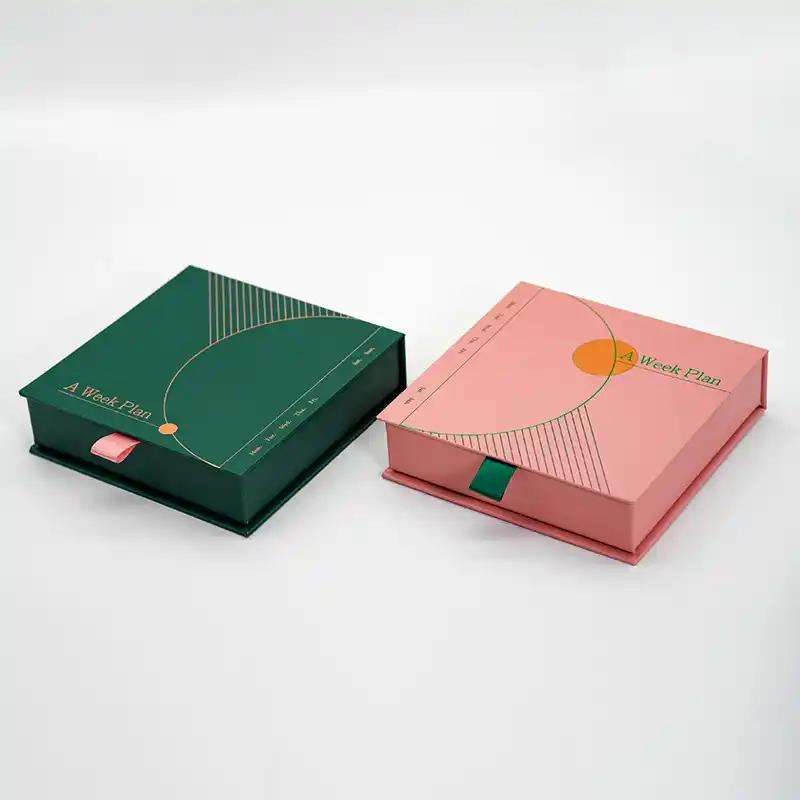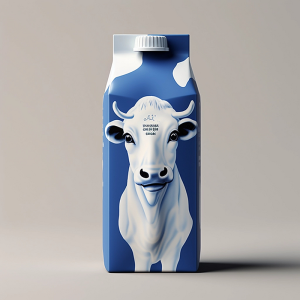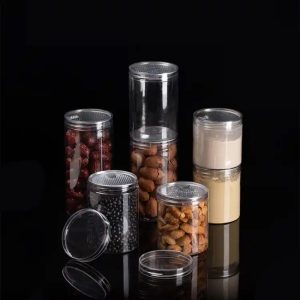
In the field of gift packaging, how to balance practicality with visual appeal through customized design is a core concern for brands and retailers. Taking the display of small items like jewelry and cosmetics as an example, custom packaging must meet requirements such as size adaptability, structural stability, and fine surface finishing, while simultaneously achieving brand differentiation through combinations of materials and processes.
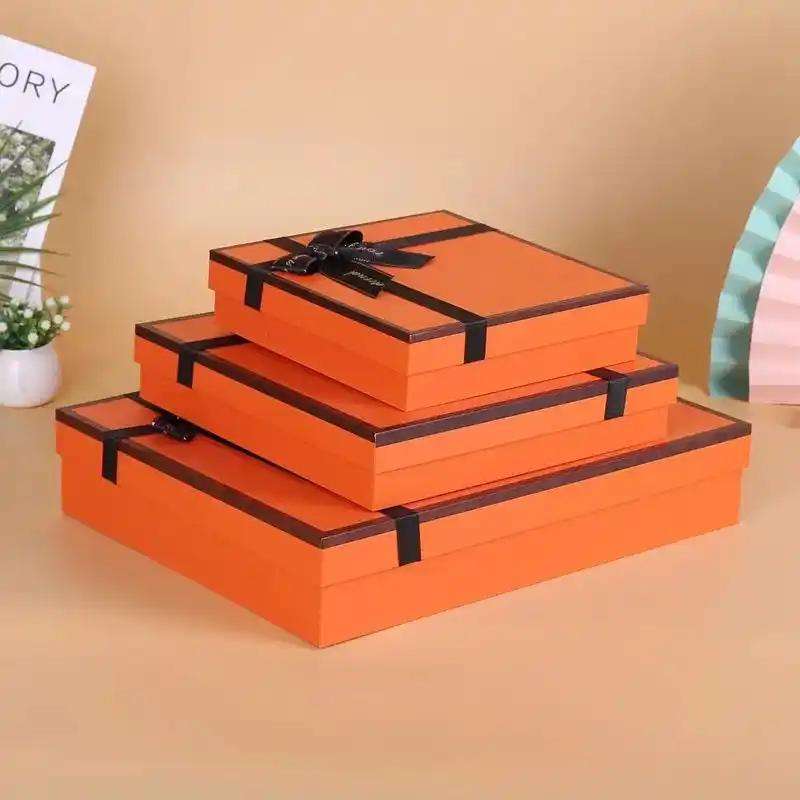
I. Material and Structural Design: Stability and Plasticity of Paperboard Substrates
Custom gift packaging utilizes paper/paperboard as its base material, offering advantages such as light weight, ease of processing, and high eco-friendliness. Through multi-layer composite processes, paperboard can achieve varying thicknesses and hardness levels, accommodating independent card slot designs for small jewelry (like rings and earrings) or layered display needs for eyeshadow palettes and pressed powder compacts. For instance, travel kits often employ lightweight paperboard structures with die-cut inner linings to secure products and prevent shaking during transit; whereas counter display props might increase paperboard density and incorporate glass mirrors to enhance overall texture.
II. Surface Treatment Processes: Visual Enhancement via Screen Printing and Hot Stamping
The visual effect of packaging directly influences consumers’ first impressions. Screen printing transfers patterns or text onto the packaging surface via mesh stencils, suitable for presenting large-area gradients or intricate patterns, such as repeating brand logos or superimposed abstract textures. The hot stamping process uses high temperatures to transfer metallic foil onto the packaging surface, creating glossy effects in gold, silver, etc., often used to highlight key information or create a sense of luxury. These two processes can be used separately or combined—for example, screen printing a base layer on dark cardboard followed by partial hot stamping to emphasize the brand logo, resulting in distinct visual contrast.

III. Customization Process: Key Stages from Requirement to Delivery
The core of custom packaging lies in “design on demand,” requiring clarity on usage scope, capacity specifications, and accessory requirements. For example, eyeshadow box packaging needs reserved space for magnetic clasps or tuck locks, while powder compacts require consideration of inner sponge thickness; travel kits might necessitate waterproof coatings or portable handles. The design phase requires providing data such as product dimensions and placement methods to confirm structural rationality via 3D modeling; the production stage adjusts printing parameters based on custom colors and surface processes, such as ink thickness for screen printing or temperature control for hot stamping. Final products must undergo load-bearing tests (e.g., stacking multiple layers) and opening/closing durability tests (e.g., repeated opening/closing over 50 times) to ensure compliance with usage scenarios.
IV. Application Scenario Expansion: Adaptation Logic from Single Products to Serialization
The flexibility of custom packaging allows it to cover diverse product categories. For instance, jewelry from the same series can be made compatible with different forms—rings, earrings, necklaces—by adjusting the shape of inner lining card slots; cosmetic packaging can utilize modular designs to accommodate single-color eyeshadows or multi-pan palettes by adding or removing liner layers. For brands, unifying materials and processes (e.g., paperboard substrate + screen printing/hot stamping combination) reduces design costs, while differentiating various product lines through changes in local elements (such as color and pattern), achieving a balance between “personalization based on standardization.”