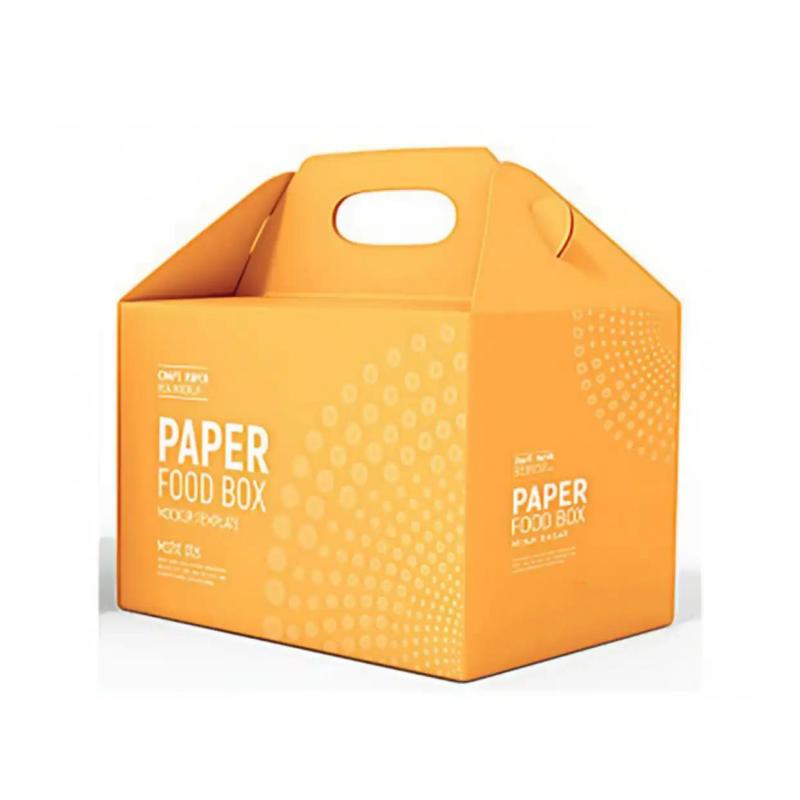
In Gift Packaging, Colored Corrugated Boxes
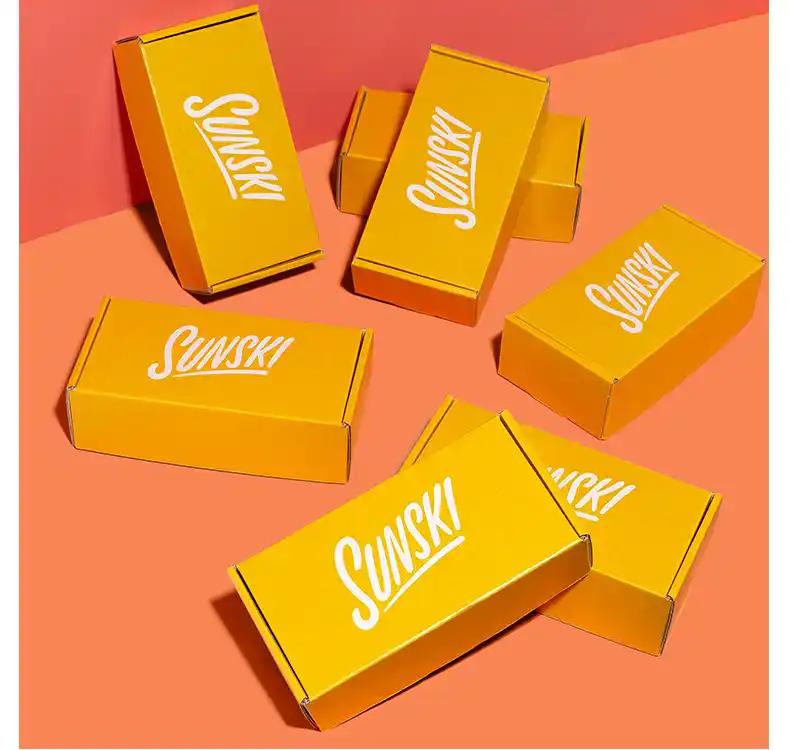
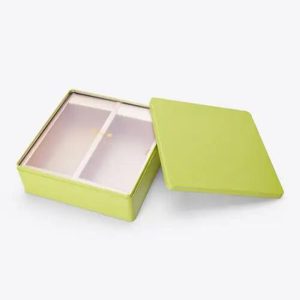
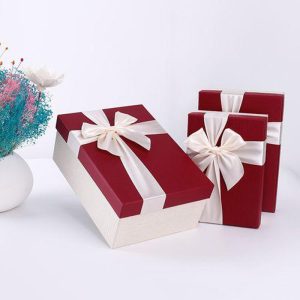
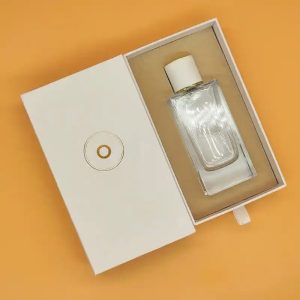
Colored corrugated boxes have become a popular choice for end-use retail packaging of gift,local specialties,daily necessities,and other products due to their sturdy structure, excellent printability, and high customizability. Their core functions are to protect goods through rational structural design, convey brand information via visual design, and meet the ceremonial needs of gift-giving scenarios.
I. Technical Principles and Structural Design
Colored corrugated boxes are made from corrugated board as the base material and formed through processes such as die-cutting, creasing, and gluing. The structure consists of three layers: a face liner, corrugating medium, and inner liner. The face liner is used for printing patterns, the corrugating medium provides cushioning performance, and the inner liner enhances overall strength. Based on corrugation height and density, they are classified into types including A-flute (good cushioning), B-flute (excellent stiffness), and E-flute (suitable for fine printing). Appropriate specifications can be selected according to product weight during customization.
Box bottom design is a critical part. Common anti-slip structures include double-layer corrugated reinforcement, bottom folded locking tabs, or anti-slip coatings, ensuring stability when gift boxes are stacked or transported. In terms of tolerance control, industrial production can reduce dimensional deviation to 0.01 mm, preventing mismatches between gift boxes, products, or outer cartons.
II. Customization Process and Core Parameters
Customization requires defining four key parameters: dimensions, materials, printing processes, and packing methods. Dimensions are determined by product volume, arrangement, and outer carton specifications. For example, fruit gift boxes require reserved ventilation space, while braised meat gift boxes must accommodate inner tray sizes. Material options include white cardboard, kraft paper, or composite materials: white cardboard suits high-precision printing, while kraft paper delivers an eco-friendly texture. Printing processes include offset printing, UV printing, and hot stamping, enabling effects such as gradient colors and three-dimensional patterns. Packing methods are designed for logistics scenarios: fragile items use a cross-grid anti-crushing structure, while lightweight products can be arranged compactly to save space.
Production lead time and daily capacity are key efficiency indicators. Automated production lines in large-scale factories can achieve a daily output of 100,000 units. However, customized requirements (such as special-shaped structures or unique processes) may extend the lead time to 7–15 days, requiring advance planning.
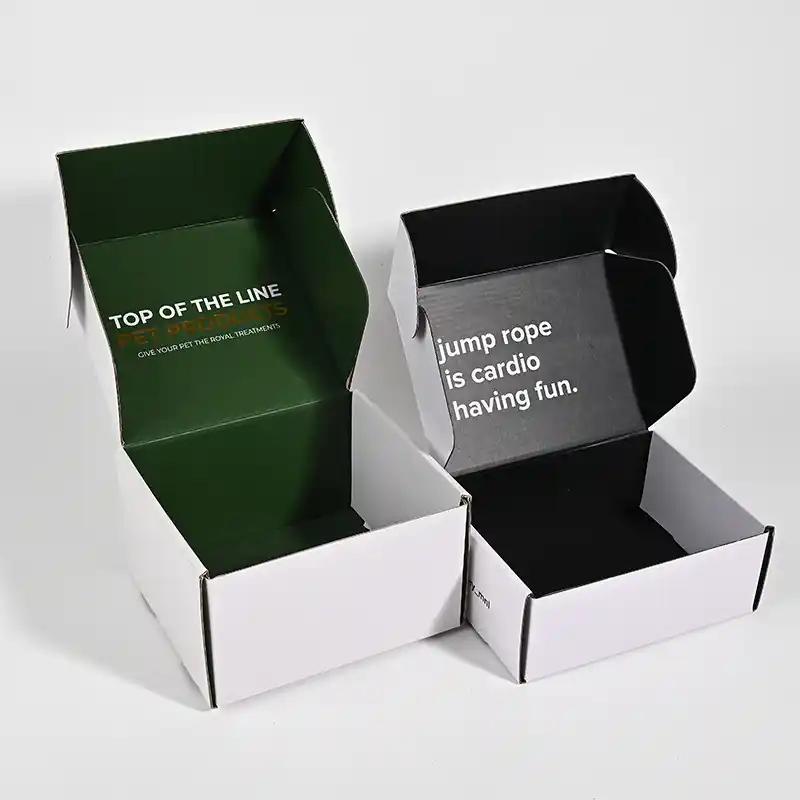
III. Application Scenarios and Adaptability Analysis
The primary application of colored corrugated boxes is end-use retail packaging, which must simultaneously satisfy product protection, brand display, and consumer experience. For instance, fruit gift boxes balance breathability and impact resistance, often using E-flute corrugated board with window cutouts. Braised meat gift boxes require oil resistance, achievable with laminated materials or aluminum foil inner linings. Festival gift boxes enhance ceremonial appeal through processes like hot stamping and embossing.
Compared with general packaging, customized gift boxes offer the advantage of precise adaptation to product characteristics. For example, a nut brand reduced transportation damage from 8% to 2% by adjusting corrugated density. A tea brand minimized the gap between the inner tray and tea cans to 1 mm through optimized box structure, eliminating shaking during transit. These improvements are based on in-depth analysis of physical product properties, rather than merely pursuing visual differentiation.